
Canada is investing C$1.2 billion (USD $843 million) to enhance ocean protection and marine safety as the federal government anticipates a significant rise in commercial vessel traffic due to new energy, LNG, and port projects.
On Tuesday, Prime Minister Mark Carney announced this funding in British Columbia. He stated that the government plans to improve marine traffic monitoring, search and rescue efforts, spill response, and environmental protections while expanding trade infrastructure on the West Coast.
A key part of this investment—over C$740 million over four years—will be directed towards marine safety and conservation programs, including enhancements to the Canadian Coast Guard.
The Coast Guard will boost its capacity at Marine Communications and Traffic Services centers, enhance maritime domain awareness and vessel traffic management, increase VHF radio and radar coverage in less-served areas, and expand marine response capabilities at existing search and rescue stations.
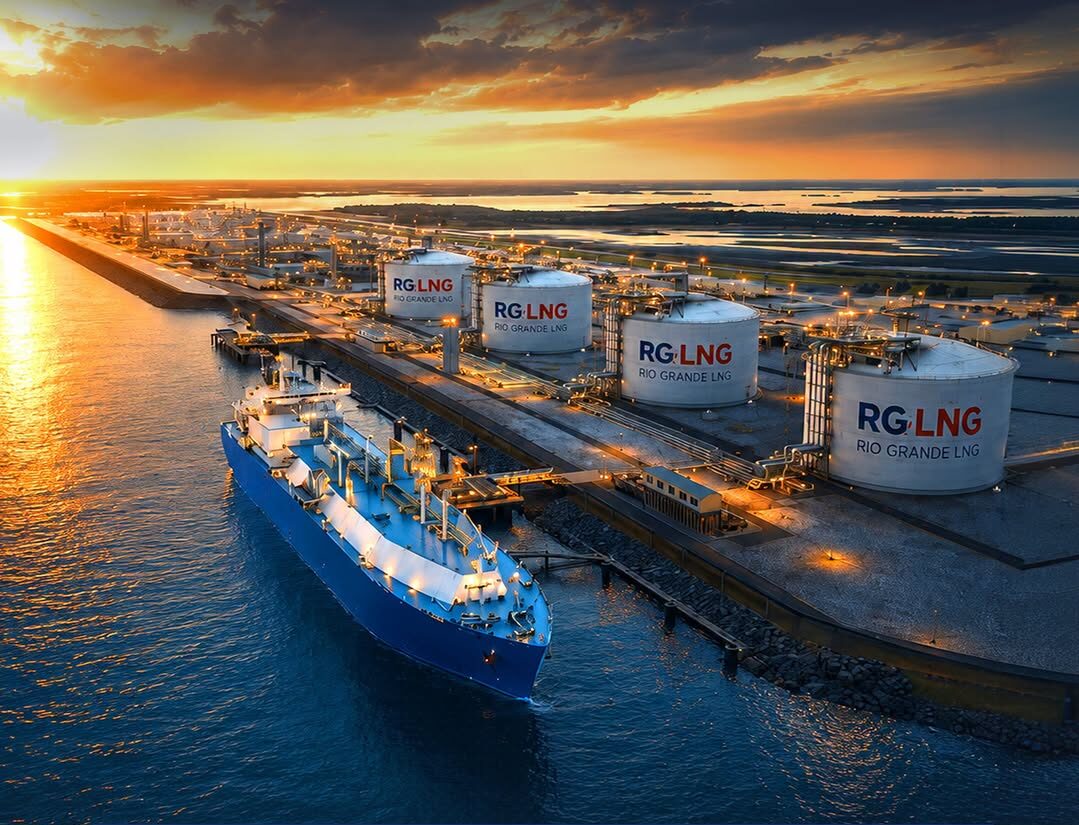
This investment targets what the government believes will be substantial growth in shipping related to energy, LNG, port, and resource development projects along the coast of British Columbia.
The announcement arrives as Canada moves forward with major new export infrastructure. Carney highlighted expansions at the Port of Vancouver and the Roberts Bank Terminal 2 project as developments likely to increase ship traffic on the West Coast. The government also revealed a final investment decision this week for the second phase of LNG Canada in Kitimat.
Carney referred to this policy as a “protect while we build” strategy, connecting the marine safety investment to Ottawa's broader goal of expanding trade and energy infrastructure.
The funding will also establish a new high-resolution nearshore ocean forecasting system to provide better information on currents and conditions during marine emergencies. Environment and Climate Change Canada will work on new recovery tools for incidents of ship-source pollution, including spills of hazardous substances and other commercial chemicals.
Transport Canada will upgrade outdated digital systems utilized for cargo inspections, port state control, domestic vessel oversight, and seafarer certification. The government asserts that the new system will integrate marine data and enhance risk analysis, enforcement, and regulatory services.
An additional C$136 million over four years will go towards protecting marine life, including a broader marine mammal spill-response program and initiatives to mitigate underwater noise from shipping.
Transport Canada will also create a Quiet Vessel Technology Fund to promote the adoption of commercially available noise-reduction technologies, initially focusing on ferries and tugboats operating in the Salish Sea. Fisheries and Oceans Canada plans to monitor underwater noise and its impact on marine mammals in the Arctic as vessel traffic linked to major projects increases.
Furthermore, C$186 million will support Indigenous-led conservation and marine management programs, including the expansion of the Northern Shelf Bioregion Reconciliation Framework Agreement and initiatives in the Lower Fraser River and estuary.
This new spending builds on Canada’s Oceans Protection Plan, which was launched in 2016 and renewed in 2022. The program focuses on preventing and responding to marine incidents, preparing for pollution, addressing hazardous and abandoned vessels, ensuring navigation safety, and taking measures to lessen the impact of commercial shipping on marine ecosystems.
Ottawa anticipates that vessel traffic will grow substantially along Canada’s coasts in the coming decades, increasing pressure on the current marine safety and emergency response systems.