
By Stella Mackler (Bloomberg) —
The demand for ocean divers who specialize in barnacle scraping is growing rapidly. This increase is happening as ships that have been stuck in the Persian Gulf for over three months are getting ready to sail again.
According to Captain Manandeep Singh Kukreja, chief surveyor at Prominence Shipping Services LLC in Dubai, requests for cleaning crews to clear ship hulls covered in algae, slime, and crustaceans have surged more than 30 times since President Donald Trump announced a temporary peace deal with Iran that will allow traffic through the Strait of Hormuz.
This spike in demand could drive the costs for underwater scraping work on a single vessel up by 60%, raising the fee to around $8,000. Just a few days ago, right after Trump’s announcement, crews were charging about $5,000 for similar jobs.
Kukreja commented, “In the next 30 days, diving companies are going to feel like they’ve struck gold. Everyone wants to exit Hormuz finally, and they all want to get back to making money.”
Cleaning barnacles from hulls is one of many challenges and costs that ships, both large and small, are dealing with as they wait for the US and Iran to finalize the peace deal, allowing them to pass through the Strait of Hormuz. After several months of conflict, they need to ensure their insurance is in place, figure out who will supervise safe passage, and take precautions against potential mines.
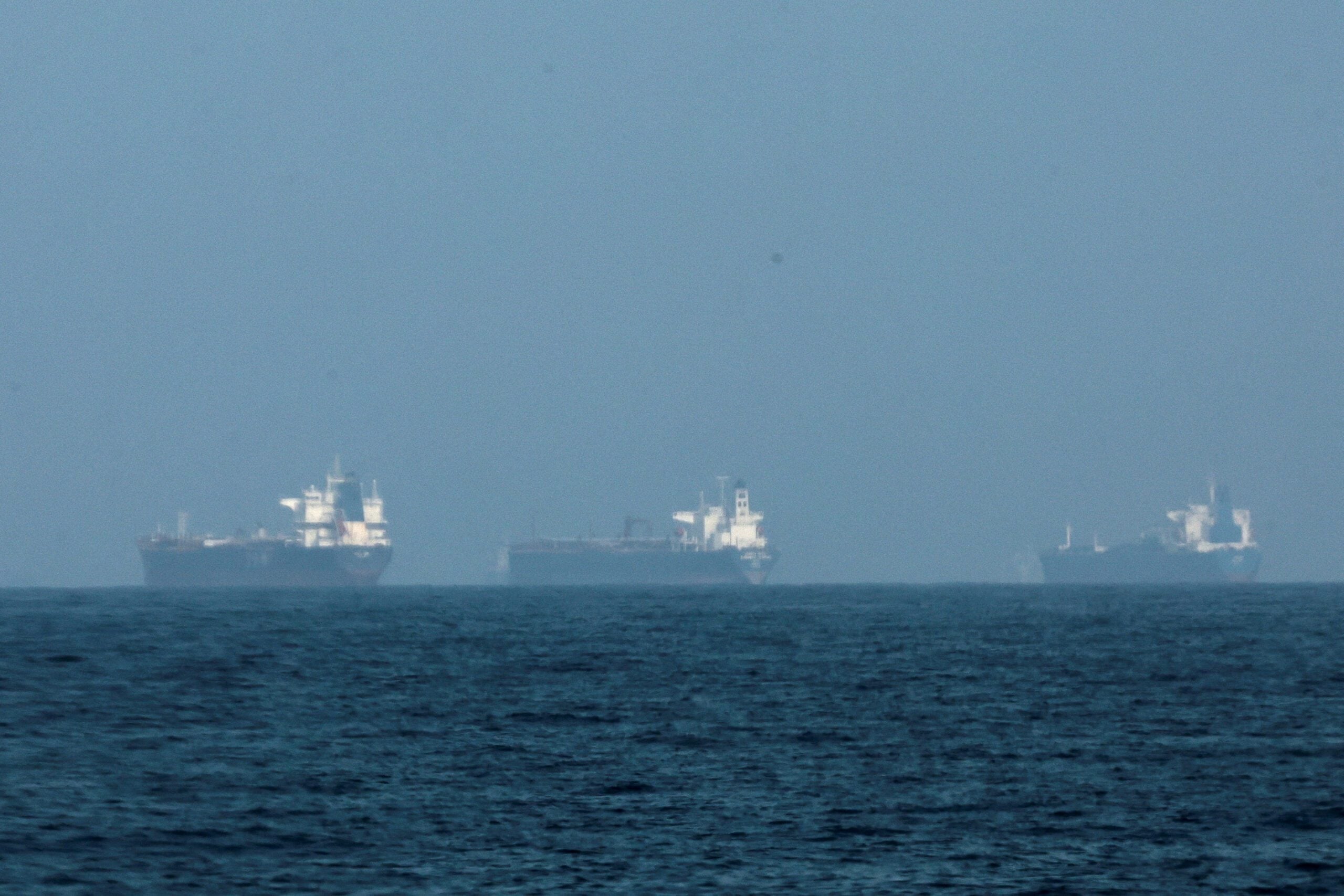
About 600 vessels are still stuck in the Persian Gulf as the largest disruption to the global energy market enters its 16th week.
Barnacles are related to crustaceans like lobsters and crabs, and they attach themselves to ship hulls using a strong self-made adhesive, which scientists are studying for dental use. Most ports do not allow barnacle-covered vessels to dock because they could carry harmful, invasive species hidden among the tightly packed barnacles.
This is why there’s a sudden need for scraping crews to help many ships that have been idle in the warm waters of the Persian Gulf since the conflict began in late February.
Kukreja noted, “Divers are going to make the most of this chance. It's obvious they will increase their prices.”
However, the hull-cleaning process varies for each ship depending on how much marine life has built up. Raghu Sharma, a navigation officer and master mariner who has worked on oil tankers in the Persian Gulf, explained that some vessels might only have a layer of slime, while others could be heavily encrusted, requiring more intensive cleaning methods.