
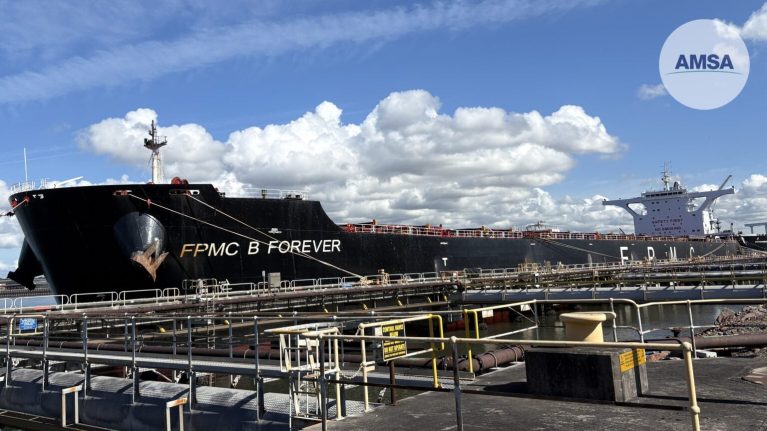
Australia has stopped another foreign-operated ship from entering its ports after inspectors found that the crew members were underpaid and charged for drinking water. This is part of a growing effort to combat labor abuses in the global shipping industry.
The Australian Maritime Safety Authority (AMSA) announced that the Liberia-flagged bulk carrier FPMC B Forever, which is operated by Taiwan’s Formosa Plastics Marine Corporation, was detained in the Port of Newcastle on April 23. This followed an inspection revealing several violations of the Maritime Labour Convention (MLC).
Inspectors discovered that the crew was underpaid by nearly AUD $15,000 and was being charged for potable water on board, which AMSA deemed unlawful according to international maritime labor standards.
As a result, the vessel's operator has been banned from Australian ports and waters until July 28, 2026.
This marks AMSA’s third ban in less than two months, indicating that Australian authorities are becoming more aggressive in enforcing regulations as concerns grow worldwide about the treatment of seafarers, unpaid wages, fatigue, and poor conditions on commercial ships.
Greg Witherall, Acting Executive Director Operations at AMSA, stated, “Underpaying seafarers, no matter the amount, is illegal and will lead to enforcement action.” He added that this should be a strong warning to operators who think they can ignore the well-being of their crew.
This situation highlights a troubling aspect of the global shipping industry that often goes unnoticed by consumers, despite the fact that it is responsible for transporting about 90% of international trade. Seafarers frequently spend months at sea, moving everything from fuel and grain to various consumer goods, yet cases of labor abuse continue to arise.
Regulators in Australia warned that operators could face serious consequences if they do not follow labor regulations, which could include costly delays, loss of port access, damage to their reputation, and more frequent inspections.
Witherall said, “The law is clear: if you underpay your crew, the cost will far exceed the wages you tried to withhold.”
The inspection took place in Newcastle, one of Australia’s busiest ports and vital for bulk commodity shipments. Detaining vessels at key ports can disrupt supply chains, affect cargo schedules, and lead to additional costs for charterers and logistics networks already dealing with ongoing trade challenges.
The Maritime Labour Convention, often referred to as the “seafarers’ bill of rights,” sets minimum global standards for wages, living conditions, food, medical care, contracts, and overall crew welfare. Australia enforces the convention through its Navigation Act of 2012.
According to AMSA, ship operators must ensure timely wage payments, safe living conditions, adequate rest periods, and unrestricted access to essential services on board.
Witherall emphasized, “Seafarers perform one of the hardest jobs in the world, maintaining global trade under tough conditions. Paying them correctly is not optional — it is both a legal and moral duty.”
This latest enforcement action comes at a time when working conditions for maritime laborers are receiving renewed international focus, especially as there are increasing security risks in key shipping areas like the Strait of Hormuz and the Red Sea, where many seafarers are facing greater operational dangers and stress.
For shipping companies worldwide, Australia’s new ban sends a clear message: regulators are committed to addressing labor violations which could directly affect their operations and access to important trade markets.