
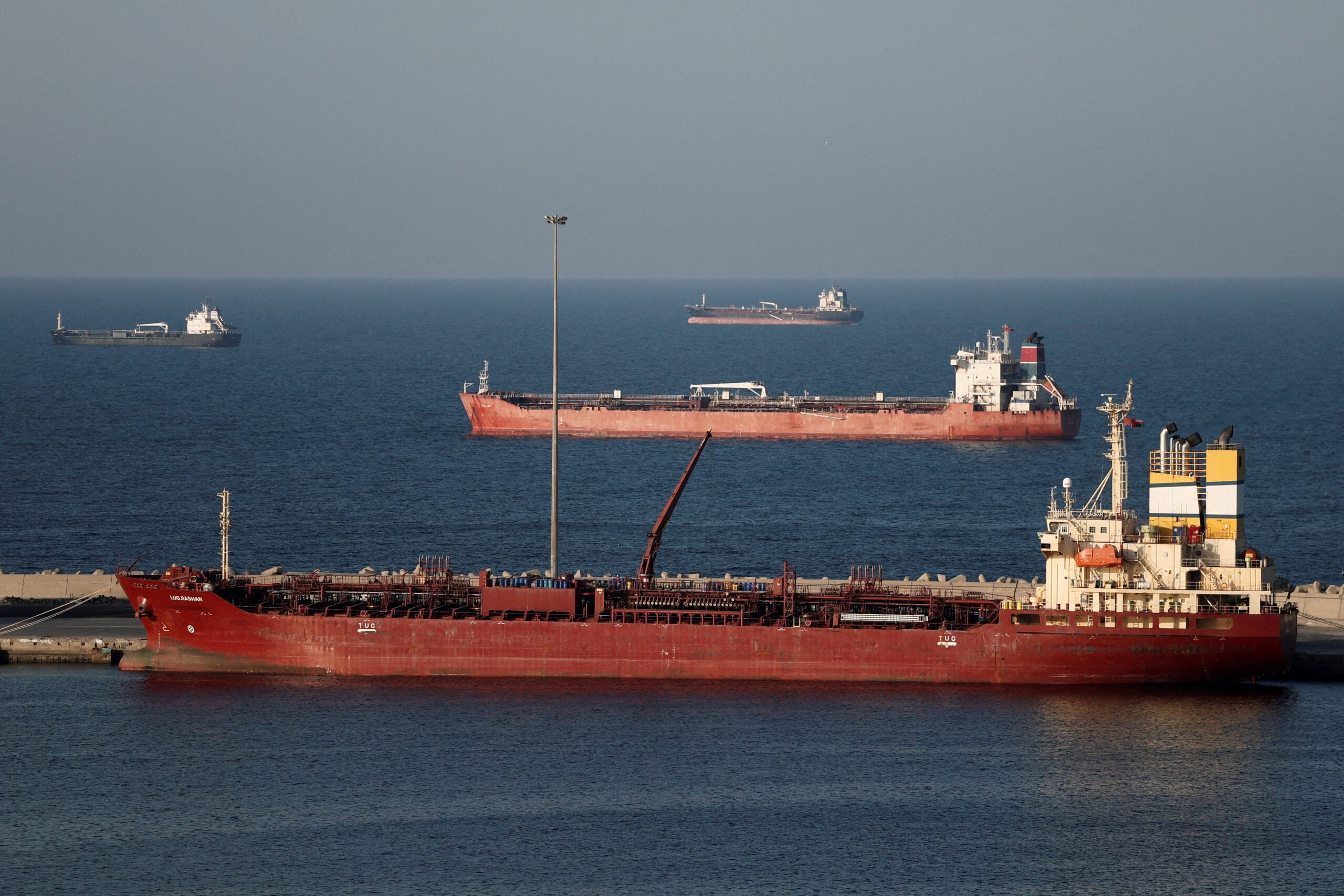
Saudi Aramco, the major oil company from Saudi Arabia, stated that the recent issues in the Strait of Hormuz highlight just how much the global economy relies on stable energy supplies. To address this crisis, the company increased the capacity of its East-West Pipeline to its maximum to ensure crude oil could still reach international markets.
In its earnings report for the first quarter of 2026, released on Sunday, Aramco noted that its 1,200-kilometer East-West Pipeline was operating at its full capacity of 7 million barrels per day during the quarter. This allowed the company to redirect exports away from the Persian Gulf and continue shipments along Saudi Arabia’s Red Sea coast.
“Recent events have clearly shown how important oil and gas are for energy security and the global economy. They remind us that a reliable energy supply is crucial,” said Aramco's President and CEO, Amin H. Nasser, in the earnings statement.
This statement marks one of the strongest acknowledgments from a major oil producer in the Gulf regarding the significant disruptions caused by the ongoing crisis in the Strait of Hormuz, which has affected commercial shipping and energy flows since late February.
Aramco described the East-West Pipeline as a “critical supply artery,” helping to ease what the company termed a “global energy shock” and providing relief to customers impacted by shipping issues in the Strait of Hormuz.
The company also shared that it implemented backup plans developed over many years, rerouting crude through alternative export routes while making good use of domestic and international storage facilities.
In its interim report, Aramco pointed out that geopolitical events in the Middle East “significantly impacted global energy markets and limited supply flow,” leading to increased volatility in crude prices and necessitating quick continuity measures.
“Even though some of Aramco's facilities were affected and regional instability continues,” the company stated that these disruptions did not significantly impact its overall financial position or cash flow.
An additional investor presentation accompanying the earnings emphasized the importance of Saudi Arabia’s westbound export infrastructure. Aramco noted that the East-West system allowed for continued exports of crude and refined products via the Red Sea, including using the SUMED pipeline and the Suez Canal as alternatives to the Strait of Hormuz.
The company highlighted that its ability to maintain exports was due to “decades of smart investments in flexible infrastructure,” noting that it utilized underground natural gas storage and thorough logistics planning to address the crisis.
Aramco also warned that the market remains tight. In its investor documents, the company estimated that cumulative supply losses linked to the Hormuz disruptions have surpassed 1 billion barrels since the start of the conflict, even with rerouted exports and inventory draws helping to alleviate part of the shortfall.
The presentation indicated that this supply shock is affecting “an already tight market with limited inventory,” while refining margins and demand for fuel remained strong globally.
These revelations come as shipping through the Strait of Hormuz continues to face serious disruptions despite diplomatic efforts and limited escorted transit operations. This waterway usually accounts for about a quarter of the world’s seaborne oil trade and a significant amount of LNG exports.
In the first quarter, Aramco reported an adjusted net income of $33.6 billion, up from $26.6 billion during the same period last year, thanks to higher oil prices and better refining margins amid the disruptions.