
BRUSSELS, May 8 (Reuters) – Tourism in the Antarctic Peninsula is a growing niche market fueled by wealthy adventure enthusiasts traveling long distances to experience penguin colonies and enjoy "polar plunges" near icebergs.
However, the increase in visitors poses risks, such as disease outbreaks, the introduction of invasive species, and pollution, which threaten the fragile ecosystems of Antarctica and its remote sub-Antarctic islands rich in birdlife, sea lions, and whales.
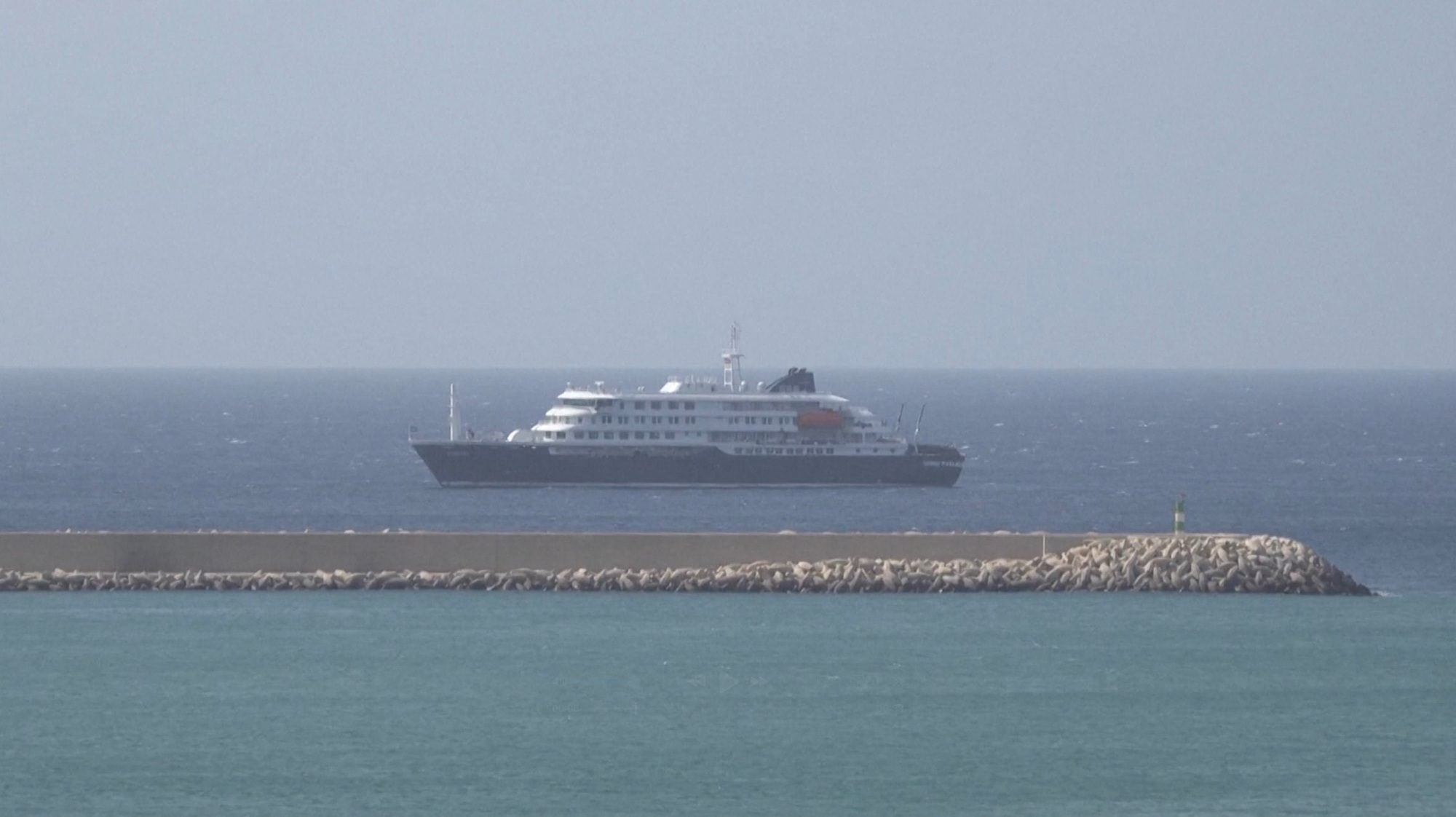
A recent outbreak of a dangerous strain of hantavirus on a Dutch-flagged cruise ship that traveled from Argentina to the Cape Verde islands highlights these concerns, just days before a meeting of 29 nations in Japan to discuss stricter regulations for Antarctic tourism.
This meeting was planned prior to the virus outbreak on the Hondius and will address whether the Antarctic Treaty System needs to strengthen its framework for managing tourism.
The existing guidelines cover medical protocols and insurance for tourism operators in the region.
“Definitely, after what’s happened, there’s a need to update medical guidelines,” said Amy White, a vice president at VIKAND Solutions, a company that provides medical services to the maritime sector.
‘NO PLAN’ TO COPE WITH TOURISM GROWTH
As of Thursday, five cases of the virus had been confirmed, with three additional suspected cases, according to the World Health Organization. Unfortunately, three individuals have died from the outbreak.
A suspected case was reported on Friday involving a British national on Tristan da Cunha, an isolated South Atlantic island where the ship made a stop in April.
Marketed as an "Atlantic odyssey" by Oceanwide Expeditions, passengers paid premium prices for the 35-night cruise. The company offers a Grande Suite with a private balcony priced at 16,950 euros (about $19,937) for a 12-night cruise to the Antarctic Peninsula later this year. The experience includes camping, kayaking, snowshoeing, and mountaineering.
The number of tourists visiting Antarctica increased dramatically from 37,000 in 2015 to over 117,000 in 2025, according to the International Association of Antarctica Tour Operators. More than 80,000 of those visitors in 2025 will participate in trips that allow them to set foot on land.
Some experts predict that these figures could quadruple in the next decade.
“I think the main issue is that there isn’t a plan for managing this growth,” said Claire Christian, executive director of the Antarctic and Southern Ocean Coalition. “We need more comprehensive and mandatory regulations.”
ENVIRONMENT UNDER PRESSURE
Tourism in Antarctica is primarily focused on the coastline of the Antarctic Peninsula, where seals and seabirds gather, making it an environment susceptible to the spread of invasive species and diseases.
Prishani Vengetas, a conservation veterinarian at the World Wildlife Fund, emphasized that Antarctic wildlife already faces significant pressures from climate change, which can weaken their defenses against diseases.
“The more we interact with and stress this ecosystem, the more we risk breaking down the natural protections for these populations,” she explained.
The Antarctic tourism industry claims to adhere to some of the strictest health and environmental standards in the sector.
The industry organization IAATO creates these rules, which include minimum distance requirements between tourists and wildlife and mandatory disinfection of gear to prevent the transfer of invasive species or seeds between sites.
Recent outbreaks of avian flu in Antarctica have prompted IAATO to strengthen its regulations even further.
“Antarctic tourism operates within a robust, science-informed framework designed to minimize impacts,” IAATO Executive Director Lisa Kelley stated in her written responses to questions.
When asked about protocols to reduce impacts on fragile ecosystems, Oceanwide Expeditions declined to comment.
While the Antarctic Treaty System mandates that cruise companies obtain permits and perform environmental impact assessments, many of the operational rules during voyages are set by the industry itself.
The upcoming Antarctic Treaty Consultative Meeting will explore whether governments want a larger role in creating and enforcing regulations.
ASOC’s Claire Christian, who will attend, mentioned that one option being considered is the introduction of mandatory entrance fees for Antarctica, similar to those implemented in Venice and the Galapagos Islands to control visitor numbers. This additional revenue could support conservation efforts.
However, she also noted that the 29 participating nations, including Russia and the United States, would need to reach a consensus, and any agreement may take years to finalize.