
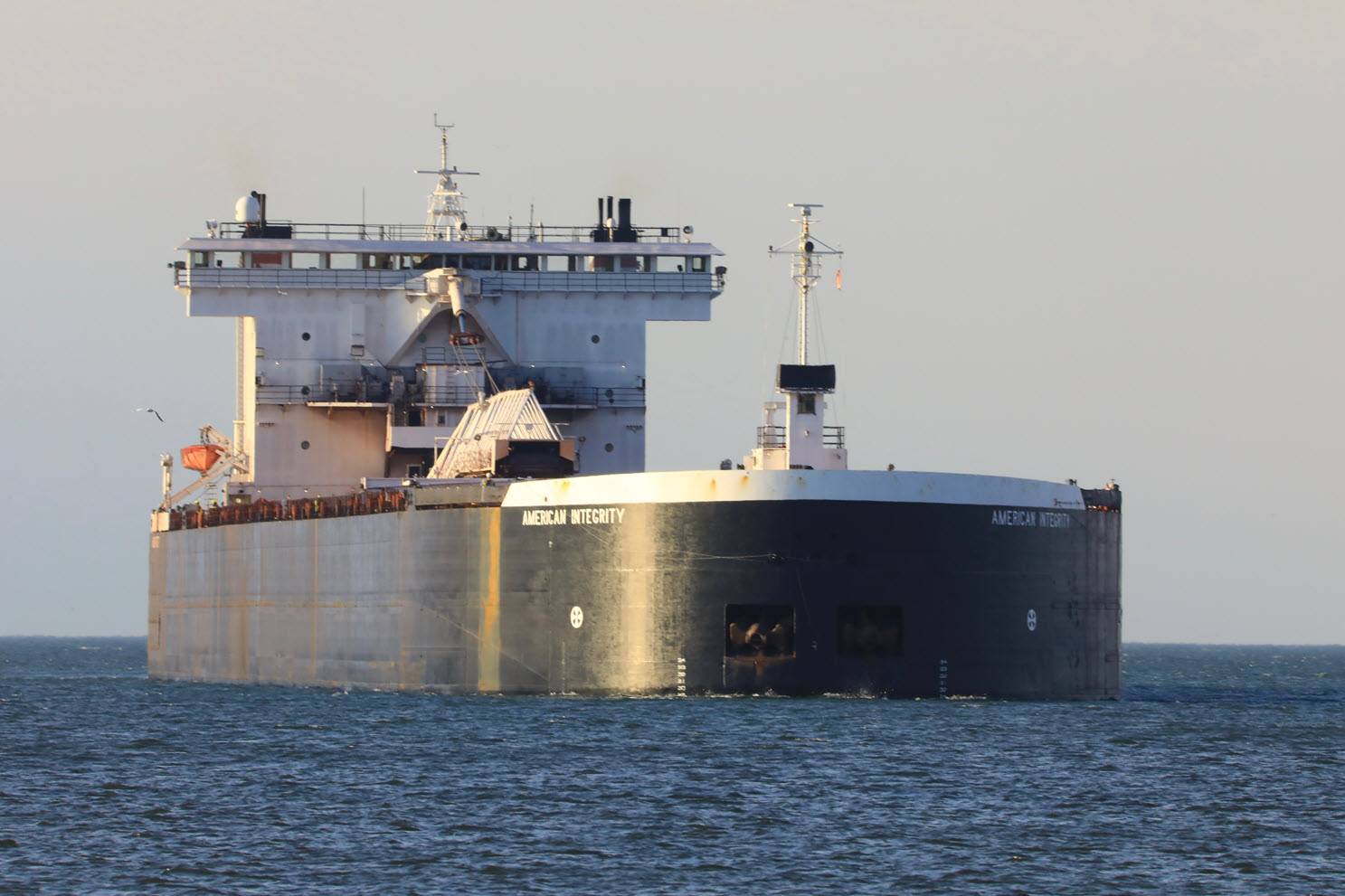
New port collaboration aims to explore economic benefits and transportation improvements between the nation's two busiest inland shipping routes.
The American Great Lakes Ports Association (AGLPA), which includes the Ports of Indiana, the Illinois International Port District (IIPD), and Port Milwaukee, is partnering with the Great Lakes St. Lawrence Seaway Development Corporation (GLS) to conduct a thorough market study. The goal is to enhance cargo movement between the Great Lakes and the Inland Waterways system.
Each year, the Great Lakes and Inland Waterways transport about 700 million tons of cargo. This supports vital American industries such as steel production, agriculture, energy, and manufacturing. However, although these are two of the world’s busiest shipping routes, only a small fraction of cargo currently travels between the Great Lakes and inland rivers.
The study will look for ways to boost waterborne trade by utilizing the connection between rivers and lakes. It will assess market demand, identify potential cargo types, and analyze the infrastructure and operational requirements needed for better integration.
“In line with President Trump and Transportation Secretary Duffy’s commitment to enhancing U.S. supply chains, we realize that strengthening the link between the Great Lakes and Inland Waterways is crucial for securing America's economic future,” stated Mike McCoshen, GLS Administrator. “By improving the transportation of goods—particularly exports that fuel the Heartland—we're fostering not just immediate economic growth but also the nation's long-term competitiveness.”
AGLPA President, Captain Paul C. LaMarre III, noted, “For far too long, the connection between the Great Lakes and the Inland Waterways has not been fully utilized in America's freight network. This study will highlight the necessary cargo, markets, and infrastructure to make river-lake shipping more efficient and commercially viable. AGLPA and our member ports are dedicated to using data to enhance maritime commerce and bolster our region’s critical role in national supply chains.”
The local financial support for the study comes from the three main Lake Michigan ports in Indiana, Illinois, and Wisconsin. These states are responsible for 65% of the economic activity related to shipping on the U.S. Great Lakes and handle millions of tons via river barges traveling through the Chicago shipping canal and the Mississippi River system.
“We’re thrilled to be part of this unique partnership to find better ways to connect two of the busiest inland shipping routes globally,” said Jody Peacock, CEO of Ports of Indiana. “Enhancing maritime transport can significantly improve freight movement, lower emissions, reduce highway congestion, and boost economies across the Great Lakes and inland waterways.”
“The Port of Chicago already manages over 13 million tons of cargo annually,” explained Erik Varela, Executive Director of the IIPD. “Increasing river-lake cargo volumes would create significant economic opportunities for our region and the country in an energy-efficient way.”
“Port Milwaukee is the northernmost approved location on the Great Lakes with access to the Inland River System,” stated Benjamin Timm, Port Director at Port Milwaukee. “This study will help us discover new ways to efficiently transport cargo and enhance our position in the national freight network.”
Performed by CPCS Transcom Inc. in collaboration with AGLPA, GLS, and member ports, the study will find ways to increase cargo movement between barges and lake vessels, evaluate operational and infrastructure requirements, and propose strategies to enhance transloading efficiency and viability. It will also assess how expanding maritime services can improve supply chain reliability, support key industries, generate jobs, and alleviate pressure on congested highways.
________________________________
About AGLPA
The American Great Lakes Ports Association (AGLPA) advocates for commercial ports and port users on the U.S. side of the Great Lakes. Its 15 public port members are part of state or local governments or independent agencies created through state laws. Associate members include industry partners that help promote maritime commerce on the Great Lakes, including the Great Lakes St. Lawrence Seaway. Visit GreatLakesPorts.org for more information.