
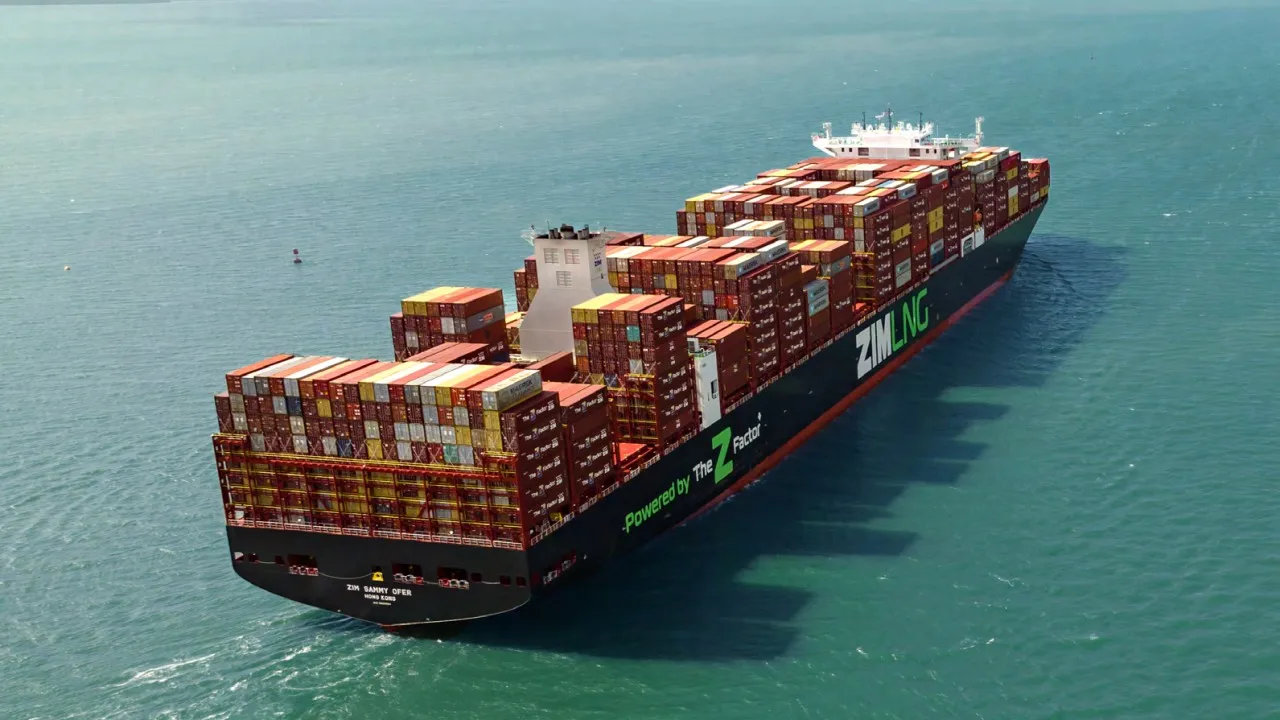
Orders for ships powered by alternative fuels have increased by 57% compared to last year, led by the demand for LNG-powered container ships and car carriers, according to new data from the classification society DNV.
In October, shipowners placed orders for 53 alternative-fueled vessels, bringing the total for the year to 364 vessels, as reported by DNV's Alternative Fuels Insight (AFI) platform.
These new figures highlight a recovery in ship ordering that began in the summer, following a slow start to 2026.
LNG continued to be the preferred choice in October, with 30 new orders, including 18 container ships and 12 car carriers. Additionally, 19 orders were placed for LPG carriers, and four ammonia-powered car carriers were added to DNV's records.
The ammonia orders mark progress towards the commercial use of this emerging fuel, although the technology and necessary bunkering infrastructure are still being developed.
So far in 2026, LNG has made up 230 orders for alternative-fuel vessels, which is about 63% of the total. Container ships lead in this category with 134 orders, followed by car carriers with 75. Together, these two types account for over 90% of new LNG-powered vessel orders this year.
“October's numbers reflect the strong activity we've seen in ordering alternative-fueled vessels since the summer,” said Jason Stefanatos, Global Decarbonization Director at DNV Maritime.
“It’s particularly notable that most LNG-fueled orders are for container ships and car carriers.”
These statistics follow a robust third quarter, during which shipowners ordered 168 alternative-fueled vessels, the highest quarterly total in two years. In September alone, there were 69 orders, as previously reported by gCaptain.
Stefanatos emphasized the advantages of LNG's established supply chain and expanding bunkering network over other fuels.
“LNG's ongoing popularity is also bolstered by the relatively developed infrastructure and supply chain surrounding the fuel,” he noted.
Additionally, the option to switch to lower-carbon fuels in the future provides shipowners with flexibility when investing in vessels meant to last for decades.
However, the rising interest in LNG occurs amidst ongoing discussions about its long-term environmental impact, particularly regarding methane emissions. While LNG can lower certain air pollutants compared to traditional marine fuels, its overall climate impact is influenced by factors like methane leakage and engine emissions.
For now, the latest ordering statistics indicate that shipowners are still prioritizing LNG's commercial availability and established infrastructure over newer fuel technologies, even as the industry explores longer-term decarbonization options.