
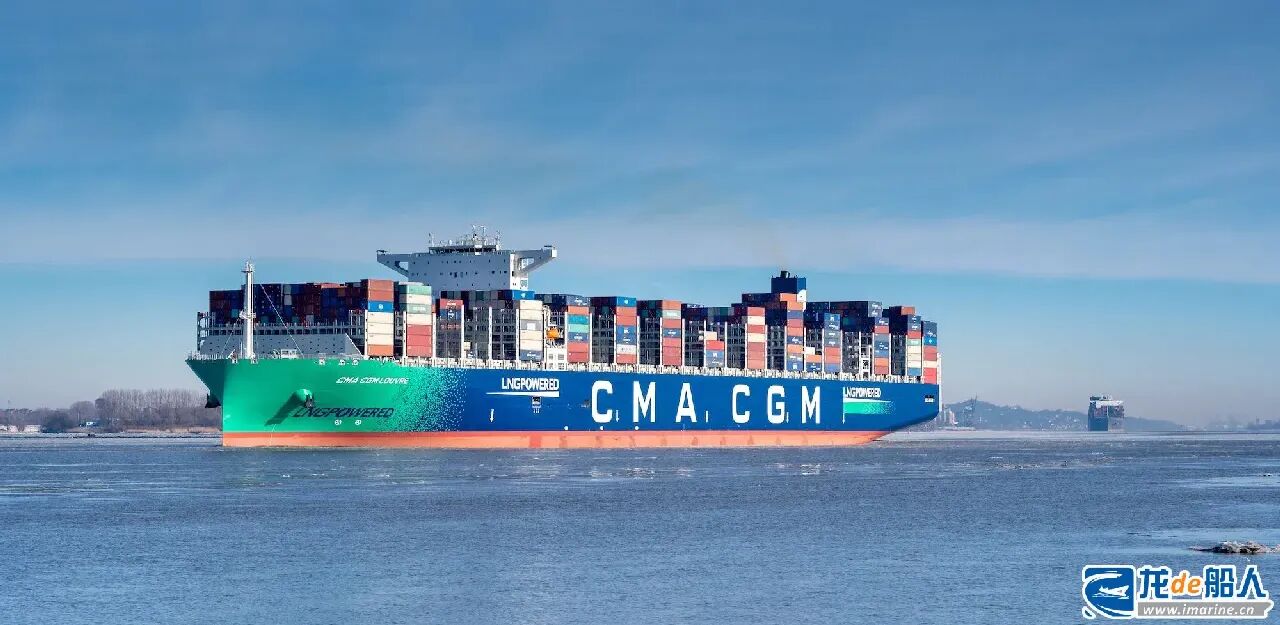
Orders for alternative-fuel ships surged in the third quarter, with September showing the highest monthly total in nearly two years, as LNG continued to be the preferred option for new vessels.
In September, shipowners ordered 69 alternative-fueled vessels, marking the busiest month since October 2024, based on new data from DNV’s Alternative Fuels Insight platform.
This activity pushed the total number of orders for the third quarter to 168 vessels, making it the most active quarter since the third quarter of 2024.
So far this year, DNV has noted 311 orders for alternative-fuel vessels, representing a 53% increase compared to the same timeframe in 2025.
This rise indicates a significant shift from the first half of the year. In July, DNV reported that owners placed orders for 137 alternative-fuel vessels in the first six months of 2026, down from 155 the previous year.
“After a slow start to 2026, vessel ordering activity picked up significantly in the third quarter,” said Jason Stefanatos, Global Decarbonization Director at DNV Maritime. “September concluded the strongest quarter for alternative-fuel vessel contracts in the past two years, with year-to-date orders well above last year's level.”
Of the 69 orders in September, 48 were for LNG vessels, including containerships, car carriers, bulk carriers, and ro-ro cargo vessels.
Additionally, there were 12 orders for ethanol-fueled bulk carriers and nine for LPG-fueled vessels during the month.
This distribution shows that the industry is exploring various fuel options rather than committing to just one alternative to traditional marine fuels.
“Ordering patterns can change quickly, as seen this quarter,” Stefanatos stated. “The diversity of fuels and vessel types varies significantly across different segments, reflecting the diverse operational needs and market situations within the industry.”
The increased orders come at a time when shipowners face ongoing uncertainty regarding fuel prices, infrastructure, and future emission regulations.
In its recent Maritime Forecast to 2050, DNV cautioned that future regulatory changes could greatly impact the economics of alternative fuels over the lifespan of vessels ordered today.
According to DNV, the share of alternative-fuel-capable vessels has risen from just 0.4% of the global fleet in 2020 to 5.2% in 2026, primarily driven by the adoption of LNG and methanol systems.
However, many dual-fuel vessels still primarily use traditional fuels, as lower-emission alternatives are often more expensive and their availability can vary widely by region.
Despite this, the latest contracting data indicates that owners are still ready to invest in fuel flexibility for ships expected to operate for decades.
“The overall level of contracting suggests that shipowners are committed to incorporating alternative-fuel capabilities into their long-term fleet strategies,” Stefanatos added.