
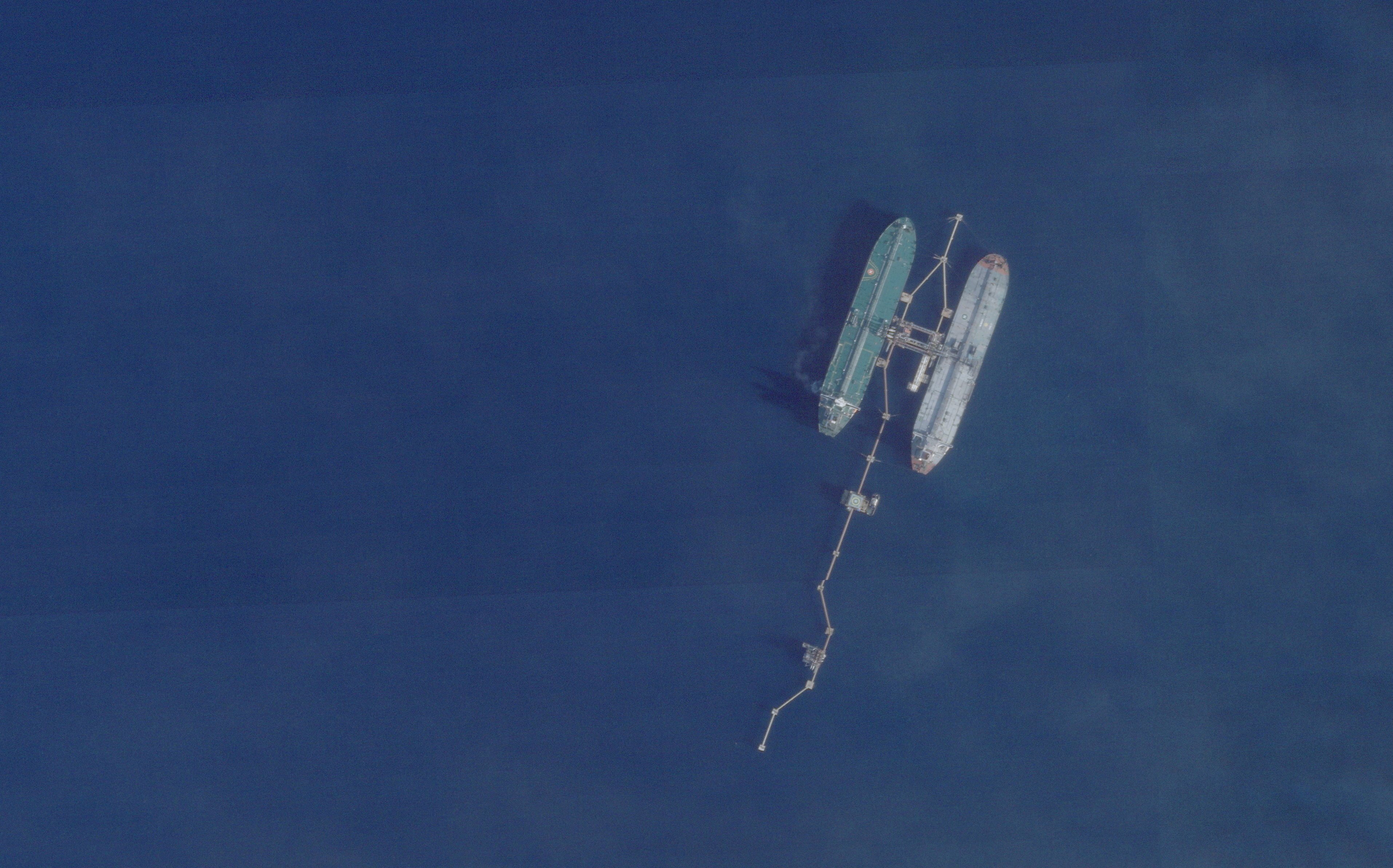
HOUSTON/LONDON/WASHINGTON, Dec 11 – The U.S. is getting ready to stop more ships carrying Venezuelan oil after this week’s seizure of a tanker, as it increases pressure on President Nicolas Maduro, according to six sources familiar with the situation.
This seizure was the first time the U.S. has intercepted an oil shipment from Venezuela, which has been under U.S. sanctions since 2019. It comes alongside a military buildup in the southern Caribbean and as President Trump seeks to remove Maduro from power.
As a result of this action, shipowners and operators involved in transporting Venezuelan oil are now on high alert. Many are reconsidering their plans to depart from Venezuelan waters in the days ahead, shipping sources reported.
More direct U.S. interventions are expected in the coming weeks against vessels carrying Venezuelan oil that might have also transported oil from countries facing U.S. sanctions, according to the sources who chose to remain anonymous due to the sensitivity of the issue.
U.S. TARGETS TANKERS
Venezuela's state oil company, PDVSA, did not respond to requests for comments. The Venezuelan government called the U.S. seizure an act of "theft."
When asked about the possibility of more ship seizures, White House spokeswoman Karoline Leavitt said she wouldn't comment on future actions but affirmed that the U.S. would keep implementing the president's sanctions policies.
“We are not going to sit back and watch sanctioned vessels travel with black market oil, which funds drug terrorism and illegitimate regimes worldwide,” she stated.
The U.S. has put together a target list of several sanctioned tankers that may be seized, according to one source.
The Justice Department and Homeland Security have been planning these seizures for several months, two sources revealed.
A decline or halt in Venezuelan oil exports, which are critical for the Venezuelan government's revenue, would put further strain on Maduro's administration.
On Thursday, the U.S. Treasury announced sanctions on six supertankers that had recently loaded crude oil in Venezuela, alongside sanctions on four Venezuelans, including three relatives of the country’s first lady, Cilia Flores. It is unclear if these newly sanctioned vessels are included in those targeted for interception.
The seizure of the tanker occurred days after the U.S. conducted over 20 operations against what it claims are drug vessels in the Caribbean and Pacific, resulting in more than 80 deaths. Some experts argue these strikes may be considered illegal extrajudicial attacks, while the U.S. insists it is protecting Americans from drug cartels labeled as terrorist organizations.
Further seizures of ships could be aimed at tightening financial pressure on Maduro, according to a source briefed on U.S. policy towards Venezuela. Maduro has claimed that the U.S. military buildup is intended to topple him and take control of the OPEC nation's oil resources.
The U.S.'s new strategy is focused on the so-called shadow fleet of tankers that transport sanctioned oil to China, the largest buyer of crude from Venezuela and Iran. Often, a single vessel will make separate trips on behalf of Iran, Venezuela, and Russia, the sources noted.
The seizure of the tanker named Skipper led at least one shipper to temporarily halt the voyages of three newly loaded shipments totaling almost 6 million barrels of Venezuela's main export grade, Merey, according to sources.
“The cargoes were just loaded and were set to sail to Asia,” said a trading executive involved in Venezuelan oil dealings. “Now the voyages are canceled, and tankers are waiting off the Venezuelan coast, as that’s considered safer.”
MONITORING TARGETS
U.S. forces have been watching tankers at sea, including some docked in Venezuelan ports for repairs or loading, waiting for them to enter international waters before taking action, one source reported.
Prior to the seizure of Skipper, which was previously sanctioned due to its oil trading with Iran, U.S. forces had intensified surveillance near Venezuela and neighboring Guyana, according to another source.
At the White House, Leavitt stated that the seized vessel is expected to head to a U.S. port, where the government plans to take its cargo of oil through a formal legal process.
The timing of future seizures will depend partly on how quickly arrangements can be made for ports to receive the seized ships for unloading, one source explained. Many of the vessels in the shadow fleet are outdated, have unclear ownership, and sail without top-tier insurance, making many ports hesitant to accept them.
Another vessel, the Seahorse, which is under UK and EU sanctions due to its Russian oil trading connections, was monitored by a U.S. warship in November and briefly detained before heading to Venezuela, one source said.
While the Venezuelan government termed the U.S. seizure "an act of international piracy," legal experts stated it doesn't fit that definition under international law.
“Since the capture was endorsed and sanctioned by the U.S., it cannot be seen as piracy,” explained Laurence Atkin-Teillet, an expert on piracy law at Britain's Nottingham Law School.