
- ABB will provide power, propulsion, and automation technology for a significant ferry project in New Zealand.
- The new ferries will offer improved reliability, flexibility, and environmental performance using ABB's Azipod® propulsion system.
- This project is part of the Cook Strait Ferry Replacement Programme, a crucial investment in New Zealand’s infrastructure.
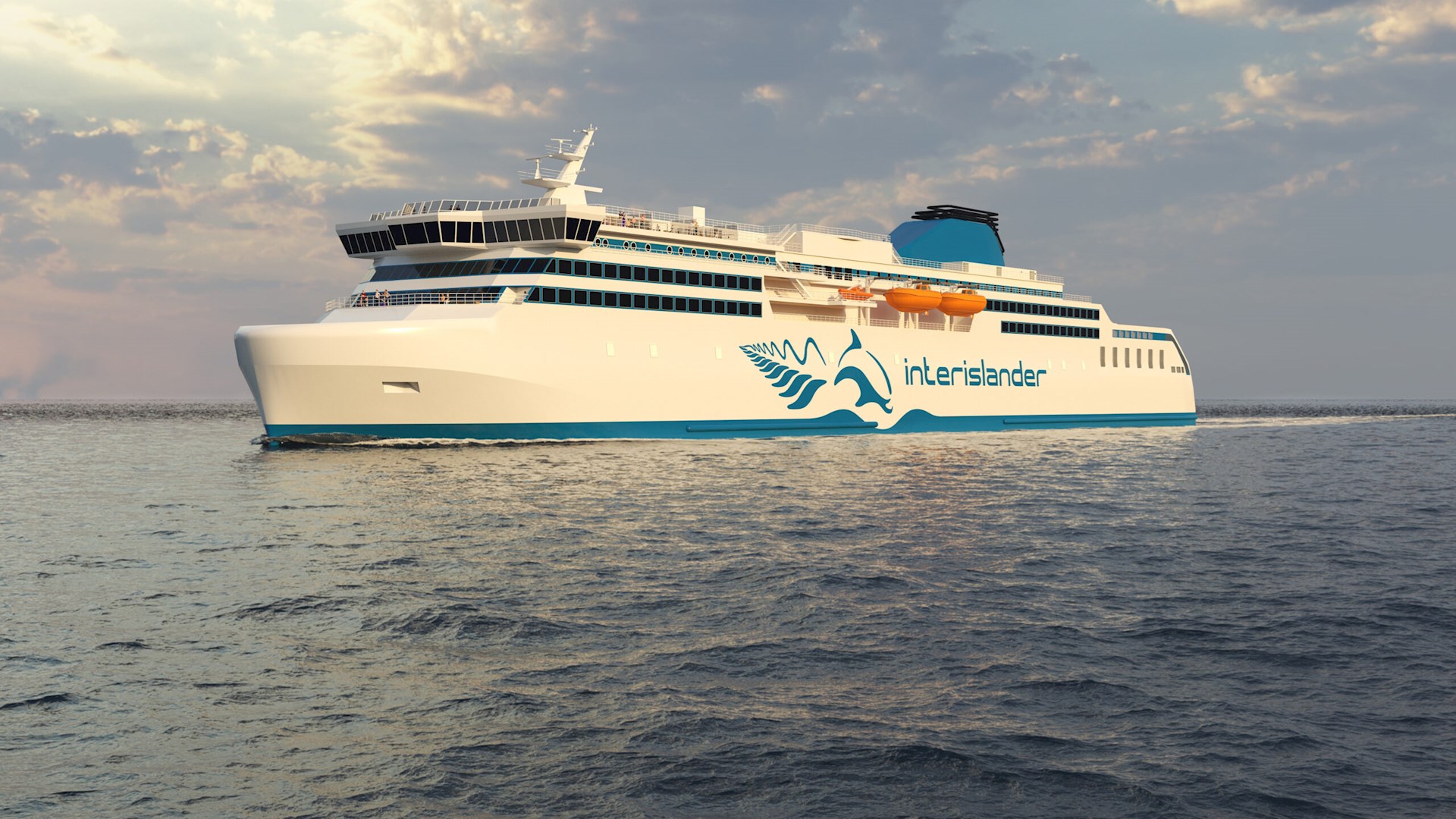
ABB has been chosen to supply power, propulsion, and automation technology for two new Ro-Pax ferries named Kupe and Cook. These ferries are a part of the Cook Strait Ferry Replacement Programme, which is one of New Zealand's most important infrastructure projects. ABB will provide integrated systems to ensure the ferries are reliable, efficient, and environmentally friendly. The ferries are being built by Guangzhou Shipyard International (GSI) and are expected to be delivered to New Zealand's Ferry Holdings Limited by 2029.
The ferries will be 200 meters long and 28 meters wide, designed to navigate the challenging waters of the Cook Strait, also known as Te Moana-o-Raukawa in Māori. They will cover the 92-kilometer route between Wellington and Picton, offering capacity for 63% more passengers (1,530 people) and 44% more freight (2,400 lane meters) than the current ferries. The rail-enabled design allows freight to be loaded directly onto the ferries, streamlining the inter-island transport process.
These vessels are essential for New Zealand's economy and will provide high fuel efficiency, lower emissions, and reduced underwater noise, which are vital for protecting marine life in the Marlborough Sounds. Their design aligns with leading ferry projects around the world and has received DNV SILENT-E class recognition for noise reduction.
“These ferries are a significant investment in New Zealand's transport system,” said Massimo Soprano, Ship Programme Director at Ferry Holdings Limited. “Choosing ABB gives us confidence that we will have world-class power, propulsion, and automation technology tailored for the tough conditions of the Cook Strait while minimizing environmental impact throughout their lifespan.”
“Having grown up near Lyall Bay in Wellington, I've seen ferries tackle the rough waters of the Cook Strait in all kinds of weather. This experience makes it even more special for me to be involved in delivering ferries that will enhance this journey. These vessels are quieter, cleaner, and more dependable, prepared for New Zealand's future growth,” said Palemia Field, Global Segment Manager for Ferries at ABB’s Marine & Ports division.
The ferries will combine efficiency and environmental care, featuring a hybrid-electric power and propulsion system that is fuel agnostic. They will have an 8.2 MWh battery energy storage system, enabling near-zero-emission operations in the harbor and providing backup power for up to 10 minutes. The design also allows for the battery capacity to expand up to 12.3 MWh in the future, aligning with potential shore charging technologies.
ABB's supply will include four main alternators and motors and drives for the three bow thrusters. The ferries will utilize two Azipod® propulsion units instead of traditional propellers and rudders, enhancing efficiency and providing a smoother, quieter ride for passengers during the often turbulent journey across the Cook Strait. These advanced Azipod® units are gearless and can rotate 360°, giving the ferries exceptional maneuverability, allowing them to move sideways (or crab) at 1 knot even in winds of 40 knots from any direction, greatly improving their performance compared to the current fleet.
At the core of the ships' power system is ABB’s PEMS™ Power & Energy Management System, which acts as the "brain" of the ferries. It continuously manages energy across the generators, battery systems, propulsion, and auxiliary loads as a single integrated network. This approach optimizes fuel use, enables battery-only harbor operations, and maintains power supply in case of faults, ensuring reliable operation. PEMS™ has demonstrated this capability in various ABB ferry projects globally.
The system will also feature ABB Ability™ Remote Diagnostic System (RDS) for round-the-clock monitoring and access to ABB’s global network of experts. This digital solution allows for predictive maintenance, quick troubleshooting, and real-time insights, helping operators improve vessel availability, lower lifecycle costs, and ensure safe and efficient operations.
For ferries that are crucial to New Zealand’s freight and passenger transport, having the capacity to detect and resolve issues remotely before they escalate into failures is a significant operational advantage.