
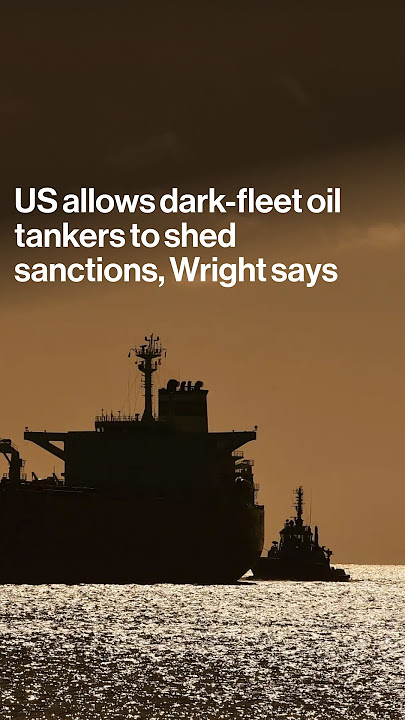
The Trump administration has given the green light for the sale of sanctioned oil tankers. This is part of an effort to allow these ships to begin transporting crude oil legally, according to US Energy Secretary Chris Wright.
Wright mentioned that the US government is partnering with investors who buy idle sanctioned tankers, refurbish them, and then use these vessels to ship oil that is not under sanctions. He made these remarks during an event hosted by Citadel Securities in New York.
“We’re going to move some of the ships from what I call the ‘bad-guy fleet’ to the ‘good-guy fleet,’” Wright stated, adding that these ships will no longer carry sanctioned oil.
This announcement marks the first time the Trump administration has publicly detailed its plans for using sanctioned tankers, aiming to increase the number of ships available for oil transport and to alleviate supply issues caused by the war in Iran and the effective closure of the Strait of Hormuz.
Wright explained that the administration is working on a process to give these ships legitimate status. He denied claims that the US is simply lifting sanctions on tankers that have transported oil from countries like Russia or Iran.
“We are converting dark tankers to legitimate tankers,” Wright clarified. “There is no removing of sanctions.”
This strategy comes as Republicans in the US face voters worried about rising fuel prices just weeks ahead of the midterm elections. The increase in gasoline and diesel costs due to the conflict in the Middle East complicates affordability concerns for the electorate.
Wright estimated that there are around 1,600 vessels in the global “dark fleet” of sanctioned tankers. The effort to transform these vessels into legal ships could add “dozens” or even “hundreds” to the legitimate fleet, he noted.
The dangers associated with transporting oil through the Strait of Hormuz have caused shipping costs to soar. Transporting oil from the Persian Gulf to East Asia now costs over six times more than it did before the conflict began.
According to Signal Ocean, a shipping data provider, more than 40% of the world’s fleet of roughly 850 very large crude carriers are currently either in the Persian Gulf or just days away from it.
Wright also mentioned that part of the reasoning behind the Trump administration's decision to collaborate with Russian President Vladimir Putin to release Russia’s diesel supplies to global markets was to create an incentive for ending the war with Ukraine. This move has been criticized by many.
“If you can produce more diesel than you consume, you can export it to the world. What is their route to do that? They can end the conflict in Ukraine,” Wright said. “That would be a real plus. They could secure an energy ceasefire with the Ukrainians and fix their refineries or reduce their diesel consumption for military operations. If they change their behavior, all of these steps could lead towards peace, allowing them to export surplus diesel to the world.”