
DUBAI/WASHINGTON/PARIS, March 27 – The U.S. expects its operations against Iran to be completed in weeks, not months, according to Secretary of State Marco Rubio. He stated that the U.S. can achieve all its goals without deploying ground troops.
After meeting with G7 allies in France, Rubio told reporters that the U.S. is "on or ahead of schedule" for this operation and expects it to conclude in a matter of weeks.
While emphasizing that ground troops are not necessary to reach their objectives, he mentioned that some forces are being moved to the region "to give the president maximum options and opportunities to adapt if needed."
The U.S. has sent two groups of thousands of Marines to the area, with the first group arriving at the end of March on a large amphibious ship. Additionally, thousands of elite airborne soldiers are expected to join them.
These deployments have raised fears that the ongoing air conflict, which has already disrupted global energy supply, may escalate into a lengthy ground war.
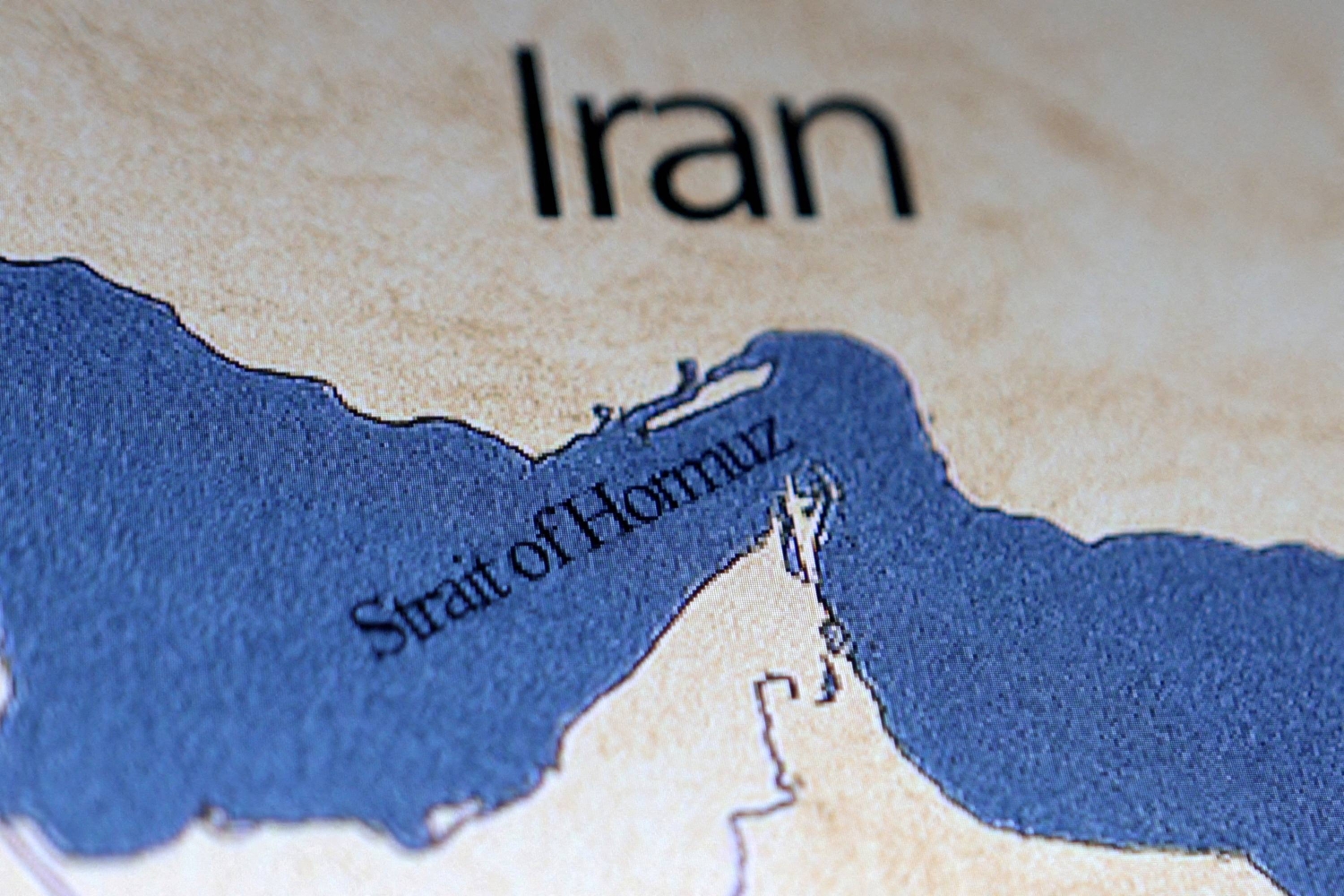
Meanwhile, President Donald Trump has highlighted ongoing negotiations aimed at finding a diplomatic resolution to the conflict, despite Iran's claims that no such talks have started. On Thursday, Trump extended a 10-day deadline for Iran to reopen the blocked Strait of Hormuz or face attacks on its civilian energy infrastructure.
NEW STRIKES ON IRAN
Reports from Iranian media indicated that there were strikes on Iran’s inactive heavy-water nuclear reactor and a facility producing yellowcake uranium late on Friday, noting that there were no radiation leaks or dangers related to the attacks. The International Atomic Energy Agency (IAEA) confirmed that radiation levels at the yellowcake plant did not increase and stated it would investigate the situation further.
Iranian Foreign Minister Abbas Araqchi claimed on social media that Israel, with U.S. support, targeted two steel factories and a power station. He stated, "This attack contradicts the extended deadline for diplomacy set by the President. Iran will exact a heavy price for Israeli actions."
A senior Iranian official told Reuters that Tehran has not yet decided how to respond to a recent U.S. proposal after the attacks on industrial and nuclear sites. The official mentioned that a response was expected to be provided by Friday or Saturday, but the ongoing attacks while diplomatic talks were sought were deemed "intolerable."
The U.S. proposal, sent through Pakistan, reportedly demands the dismantling of Iran's nuclear and missile programs and the relinquishment of control over vital energy supply routes.
The conflict has escalated across the Middle East, resulting in thousands of deaths and causing significant disruption to global energy supplies. This situation has affected economies around the world, contributing to rising oil, gas, and fertilizer prices and increasing inflation concerns.
Reports indicate that over 1,900 people have died and at least 20,000 have been injured in Iran, according to Maria Martinez from the International Federation of Red Cross and Red Crescent Societies.
Additionally, attacks on Israel by Iran's ally Hezbollah have led to a fierce Israeli response, displacing about 20% of Lebanon's population.
IRAN STILL POSSESSES MISSILES
The U.S. aims to neutralize Iran's long-range missile capabilities and can only confirm that around a third of its missile arsenal has been destroyed, according to five individuals familiar with U.S. intelligence.
As the damage continues and with no end in sight, Gulf Arab nations are advising the U.S. that any agreement should not only end the war but also address Iran's missile and drone capabilities permanently while ensuring global energy supplies remain protected from being used as weapons.
Iran's leaders and the powerful Revolutionary Guards are still conducting airstrikes in the region, contributing to rising energy costs and unsettling financial markets.
Even though a third of Iran's missile stock may still be operational, another third may be damaged or hidden in tunnels, some of which could be used again once fighting ceases, according to sources familiar with U.S. intelligence.
Information regarding Iran's drone capabilities is similar, with about a third likely destroyed.
Stock markets have continued to decline, and the Brent crude oil benchmark has surged past $112, marking a rise of over 50% since the onset of the conflict.
In the U.S., rising fuel prices are a significant concern for Trump, with diesel in California reaching a record average of $7.17 per gallon, according to the American Automobile Association.