
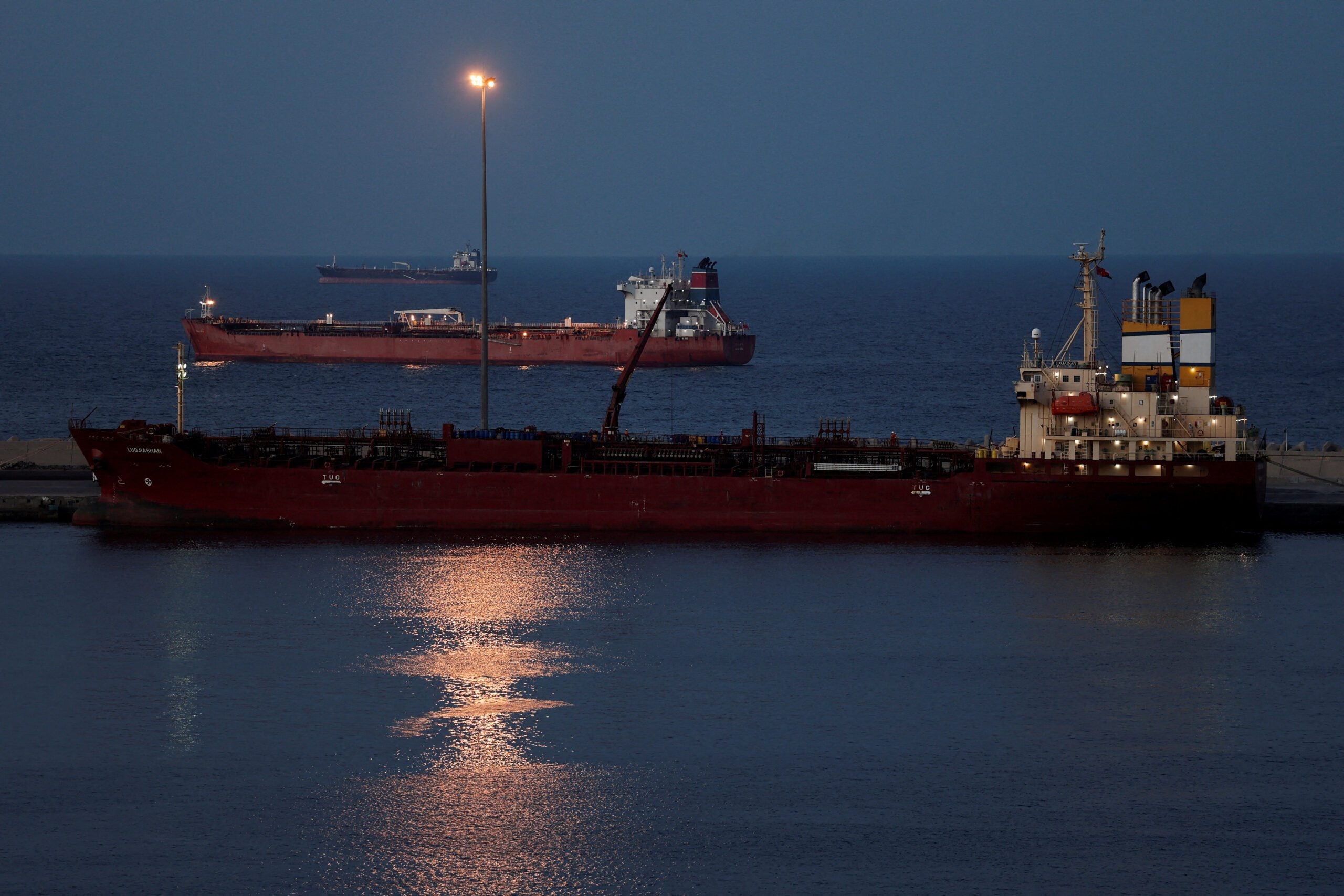
WASHINGTON, March 19 - The U.S. might soon lift sanctions on Iranian oil currently stuck on tankers to boost global supply and lower prices, according to U.S. Treasury Secretary Scott Bessent's statement on Thursday.
Bessent revealed, “In the next few days, we could lift sanctions on about 140 million barrels of Iranian oil that are on the water.” He shared this information on Fox Business Network’s “Mornings with Maria” show.
He explained that this quantity could provide about 10 to 14 days' worth of supply.
According to Bessent, including sanctioned Iranian oil in the market would help keep oil prices down for at least the next two weeks. Recently, oil prices have been over $100 per barrel, largely because of Iran’s closure of the Strait of Hormuz and its attacks on tankers.
The Treasury had recently allowed the sale of sanctioned Russian oil stranded in tankers, which added 130 million barrels to global supplies, according to their reports.
Bessent mentioned that the U.S. plans to take further steps to increase supply, including a unilateral release of oil from the Strategic Petroleum Reserve, which would be beyond last week’s coordinated release of 400 million barrels by the G7.
He emphasized that the Treasury would “absolutely not” interfere in oil futures markets but would act to enhance physical supply to address the 10 to 14 million barrels per day shortage caused by the closure of the Strait of Hormuz.
“To clarify, we are not intervening in financial markets; we are addressing physical market needs,” he stated.
Bessent also noted that President Donald Trump would meet with Japanese Prime Minister Sanae Takaichi at the White House on Thursday to discuss Japan's involvement in ensuring safe passage for ships through the Strait of Hormuz, which is crucial for Japan's oil supply.
“She’s very pro-U.S. I believe we’ll have a productive discussion today,” Bessent remarked. He also indicated that Takaichi might consider releasing more oil from Japan’s strategic petroleum reserve beyond their current joint action.
He mentioned that China had become an “unreliable” supplier of refined products, having halted exports of jet fuel and other products to other Asian countries.