
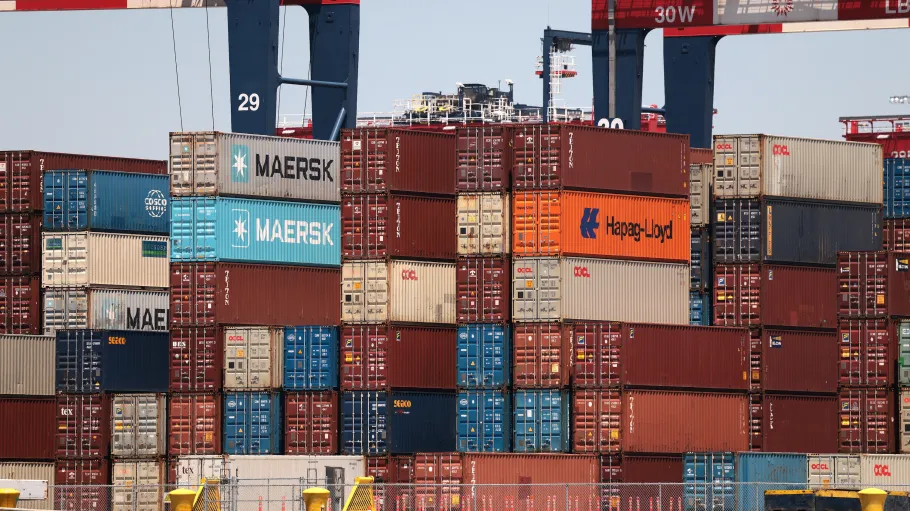
The early peak season for container imports in the U.S. is slowing down. Retailers rushed to get their shipments in before new tariffs and uncertainties in the supply chain caused by the conflict with Iran.
According to the latest Global Port Tracker report from the National Retail Federation (NRF) and Hackett Associates, import volumes at major U.S. container ports are expected to stay high through August, then decline for most of the rest of 2026.
NRF Vice President for Supply Chain and Customs Policy, Jonathan Gold, stated, “This year, we saw an early peak season as retailers brought in goods ahead of changes in tariffs in late July and addressed ongoing supply chain disruptions from the conflict in Iran.”
Gold added, “One set of tariffs has been replaced by another, but retailers will be ready for the upcoming holiday season. They have learned to adapt to changing situations and are prepared to meet consumer demand for affordability and variety.”
This surge in shipments occurred right before a significant shift in U.S. trade policy at the end of July. A temporary 10% Section 122 global tariff that started in February expired on July 23, followed the next day by new Section 301 tariffs ranging from 10% to 12.5% affecting 60 economies and nearly 99% of U.S. imports, as noted by NRF.
This timing moved the typical late-summer or fall shipping surge into the spring and early summer months.
In June, U.S. ports reported handling 2.23 million twenty-foot equivalent units (TEUs), which is a 13.2% increase from a year ago but a 0.7% decrease from May. The year-over-year rise is partly due to a poor comparison with 2025, when imports dropped significantly after the introduction of the “Liberation Day” tariffs.
For the first half of 2026, total imports reached 12.7 million TEUs, a slight increase of 1.1% from the same period last year.