
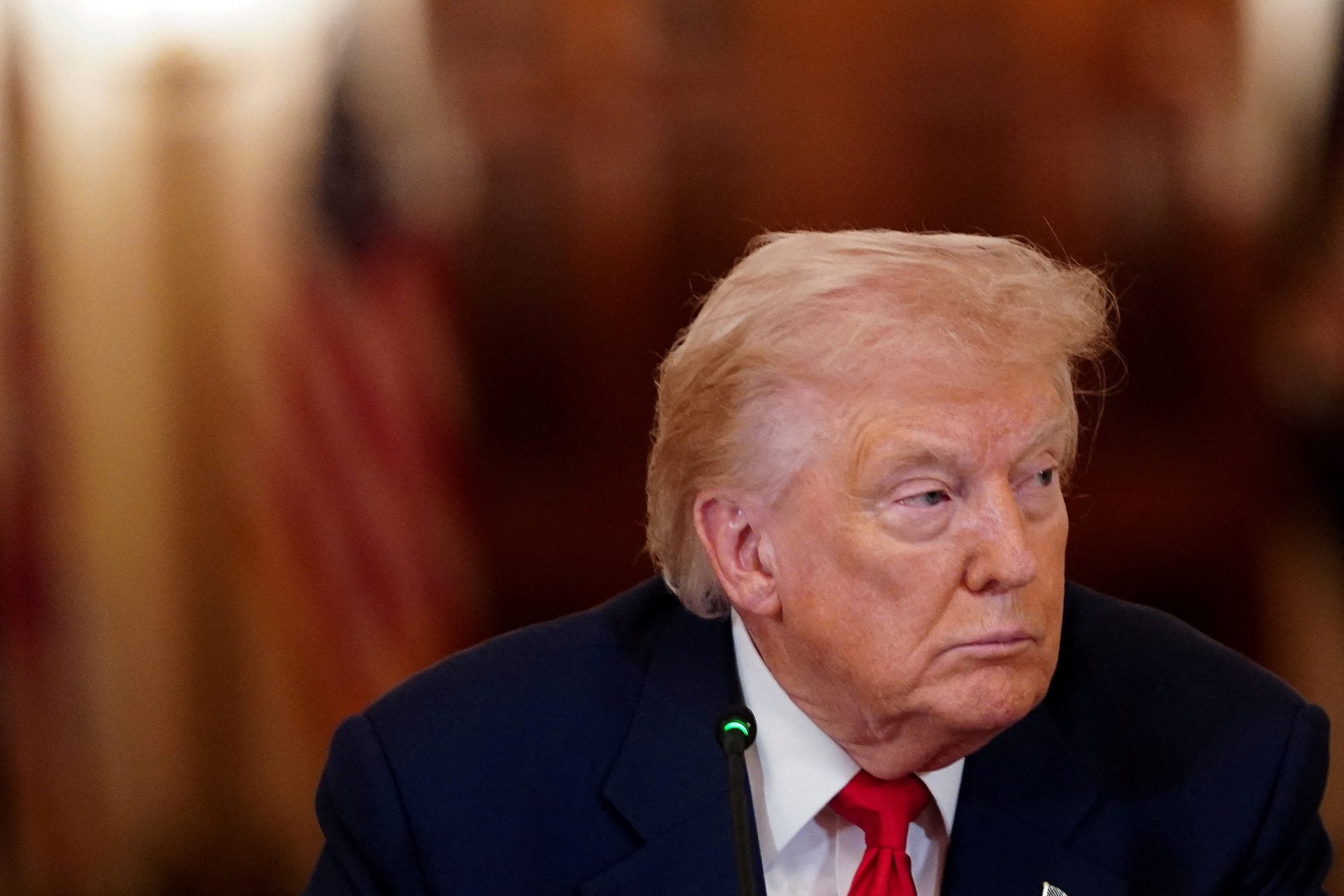
On Friday, President Donald Trump indicated that U.S. military goals against Iran are close to being accomplished. He detailed plans that aim to destroy Iran’s military capabilities, while suggesting that the U.S. might reduce its role in actively securing the Strait of Hormuz.
In a post on Truth Social, Trump mentioned that American operations have been focused on degrading Iran’s missile capabilities, dismantling its defense industry, and eliminating its navy and air force. He also emphasized the importance of preventing Iran from developing nuclear weapons.
However, his comments on the Strait of Hormuz were particularly significant for the shipping industry.
Trump stated, “The Hormuz Strait will have to be guarded and policed, as necessary, by other nations who use it — The United States does not!” He added that while the U.S. would help if needed, regional nations should take the lead in ensuring security.
Shipping Industry Faces Uncertainty as U.S. Role Comes Into Question
Trump’s comments come at a crucial time for global shipping, as commercial traffic through the Strait has almost come to a standstill due to ongoing attacks and security worries. The idea that the U.S. might not directly secure the waterway raises serious concerns about how shipping can safely resume.
His statement seems to shift the responsibility to Gulf states and major energy consumers.
Even prior to Trump's remarks, U.S. allies had declined requests to send warships for escort operations, showcasing the political and practical challenges of maintaining a multinational security presence.
For the maritime shipping industry, Trump’s statements suggest a growing belief that even if hostilities diminish, a quick return to normal operations in the Strait of Hormuz is unlikely in the near future.
His message seems to signal that Washington may be getting ready to declare victory and withdraw militarily, but for global shipping, this news is less than reassuring.
Without a credible and effective security plan in place, one of the world’s most important energy chokepoints remains paralyzed, leaving shipowners, crews, and cargo interests facing a crisis with no clear resolution in sight.