
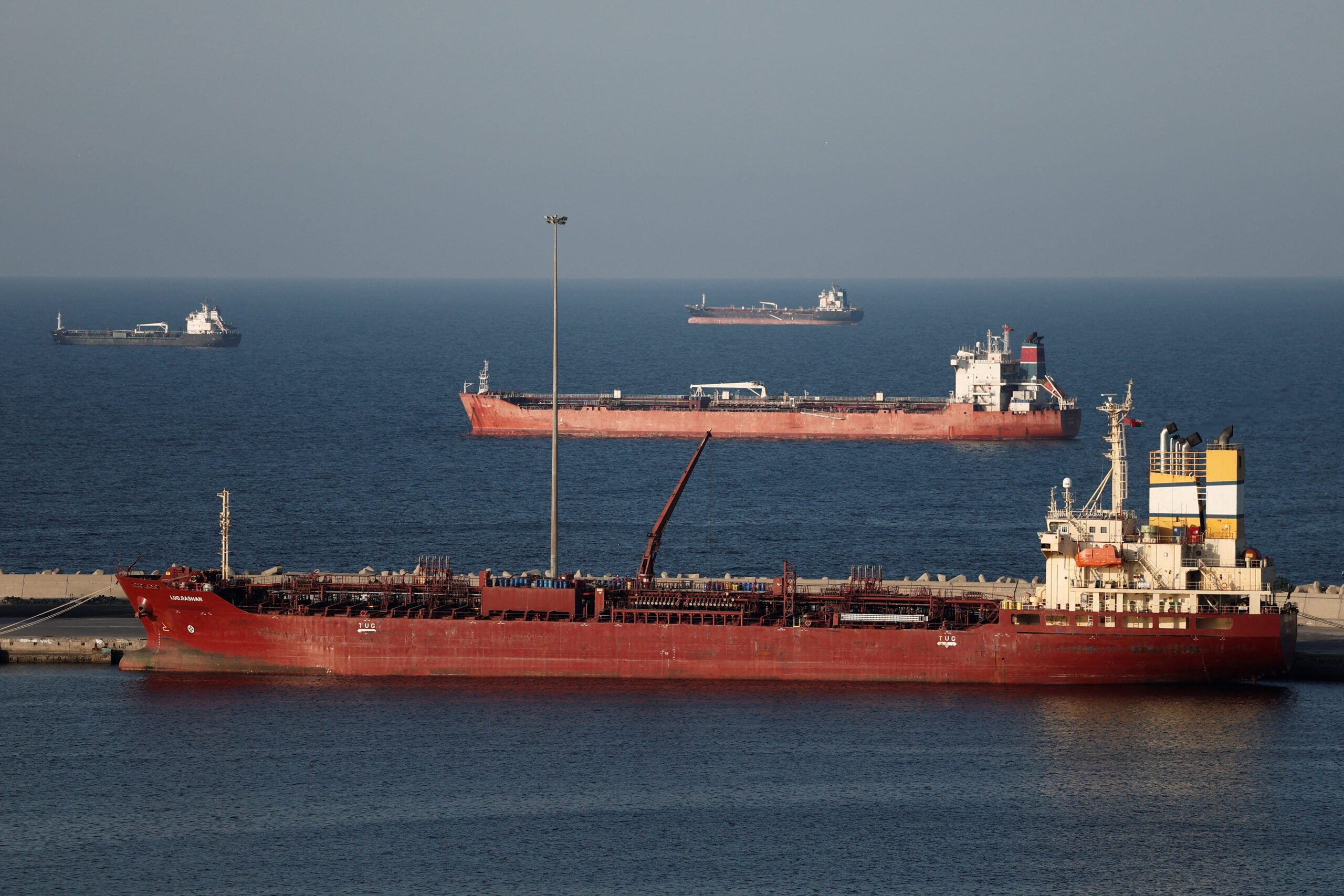
On Friday, the U.S. Treasury's Office of Foreign Assets Control (OFAC) announced a new general license. This license allows the delivery and sale of Iranian crude oil and petroleum products that are already on ships. This step is meant to help calm the global energy markets, which are under pressure due to the ongoing conflict in the Middle East.
Under General License U, transactions necessary for the sale and offloading of Iranian oil loaded on ships as of March 20 are now allowed until April 19. This authorization is quite broad and includes cargo on vessels that might usually face sanctions, enabling the oil already on its way to reach buyers.
Treasury Secretary Scott Bessent referred to this action as a targeted approach, not a major policy change.
“Today, the Department of the Treasury is issuing a focused, temporary authorization for the sale of Iranian oil that is currently stuck at sea,” Bessent said, highlighting the intention to “maximize energy flow to the world” and “maintain market stability.”
The license covers various activities related to the sale and unloading of oil, including docking, crew safety, emergency repairs, environmental protection, and essential shipping services such as insurance and vessel management.
OFAC stated that U.S. imports directly related to these authorized transactions are also permitted.
Officials from the Trump administration estimate that this authorization could release around 140 million barrels of crude oil currently in transit or stored offshore, which might otherwise remain stuck due to sanctions.
“Basically, we will use the Iranian barrels to lower prices against Tehran,” Bessent commented, indicating that this policy is part of a larger strategy to limit Iran’s control over energy markets.
This announcement comes at a time when global oil markets are tense due to significant disruptions in commercial traffic through the Strait of Hormuz, where safety risks and conflict have severely affected tanker movements. With a large portion of global energy shipments affected, the U.S. is facing increasing pressure to stabilize supplies and control price surges.
“This temporary authorization is specifically for oil that is already in transit and does not allow for new purchases or production,” Bessent stressed, ensuring that restrictions on Iran’s revenue remain in place.
The authorization does not permit transactions with North Korea, Cuba, or certain Russian-occupied areas in Ukraine. It is strictly limited to shipments loaded before the March 20 deadline and will expire in a month.
This development follows a year after President Trump reinstated his “maximum pressure” campaign targeting Iran's oil sector, which included sanctions on tankers, traders, and refining networks related to the country's hidden fleet.