
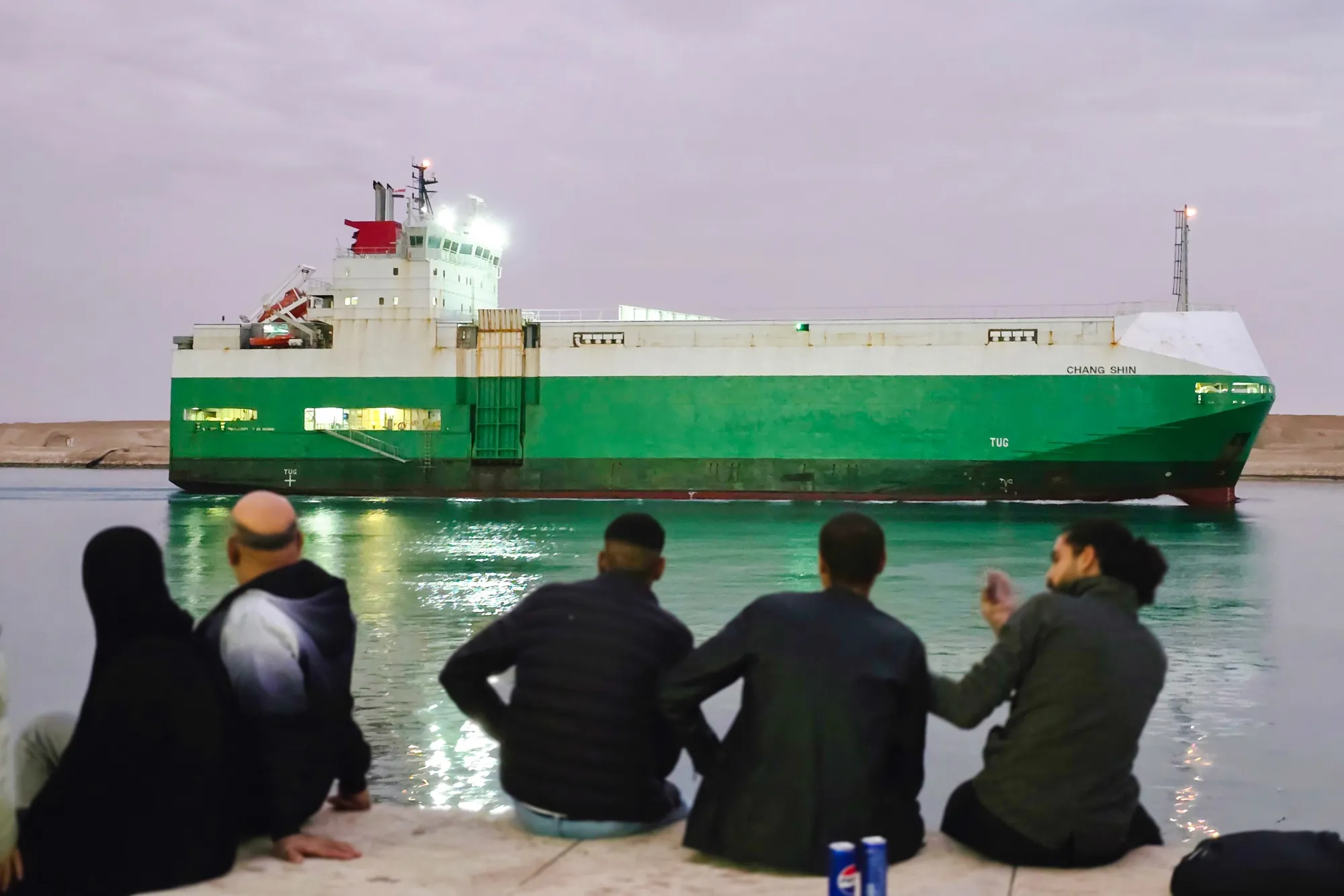
The Suez Canal Authority has announced major strides in recovering from vessel detours related to the Red Sea crisis. According to Chairman Admiral Ossama Rabiee, October saw the highest number of vessels returning since the crisis started.
During a meeting with representatives from 20 shipping companies at the Authority's headquarters in Ismailia, Admiral Rabiee credited the improvement to enhanced regional stability following the Sharm El-Sheikh Peace Summit.
“The Sharm El-Sheikh Peace Summit has had a positive effect on the return of many vessels to the Suez Canal,” the Admiral said, highlighting that 229 vessels transited the canal in October alone.
Traffic Increases Year-Over-Year
This positive trend goes beyond just October. From July to October 2025, the canal saw 4,405 vessels pass through, carrying a total of 185 million tons. This is an increase from 4,332 vessels and 167.6 million tons during the same period in 2024.
The Suez Canal faced significant challenges due to Houthi attacks on ships in the Red Sea and Gulf of Aden, which started in November 2023. As a result, vessel traffic dropped by about 60% as ships were diverted around the Cape of Good Hope.
The Authority has also made infrastructure upgrades, including the Southern Sector Development Project and deepening the 17-kilometer western branch of Port Said, which now serves as an efficient alternative to the eastern branch in emergencies.
Industry Leaders Share Cautious Optimism
CMA CGM has been instrumental in bringing back major carriers, with CEO Tariq Zaghloul highlighting the critical relationship between the French shipping company and the Suez Canal. “There is no alternative to the Suez Canal,” he stated, expecting more voyages as the company expands its fleet. CMA CGM has been operating under the protection of the EU’s Operation ASPIDES.
Maersk's Omar Garbo confirmed the company's dedication to increasing investments in Egypt, following a recent meeting between Maersk Chairman Robert Uggla and President Abdel Fattah El-Sisi.
However, challenges still exist. Abdel Aziz Nabil from Inchcape Shipping Agency pointed out that high marine insurance costs are “a significant hurdle and a major reason for delays in many shipping lines resuming operations in the Suez Canal.”
Looking Ahead
The Authority is seeking to attract additional types of vessels beyond container ships. Several agency representatives have called for incentives specifically for oil tankers, bulk carriers, and LNG vessels, which can adjust their sailing schedules more easily.
Admiral Rabiee wrapped up the meeting by inviting all shipping lines to conduct trial voyages with their container ships through the canal, indicating the Authority’s confidence in the Red Sea's security situation.
Industry watchers believe that collaborating with the International Maritime Organization on the Red Sea’s risk classification and marine insurance premiums will be crucial for continued recovery in the upcoming months.