
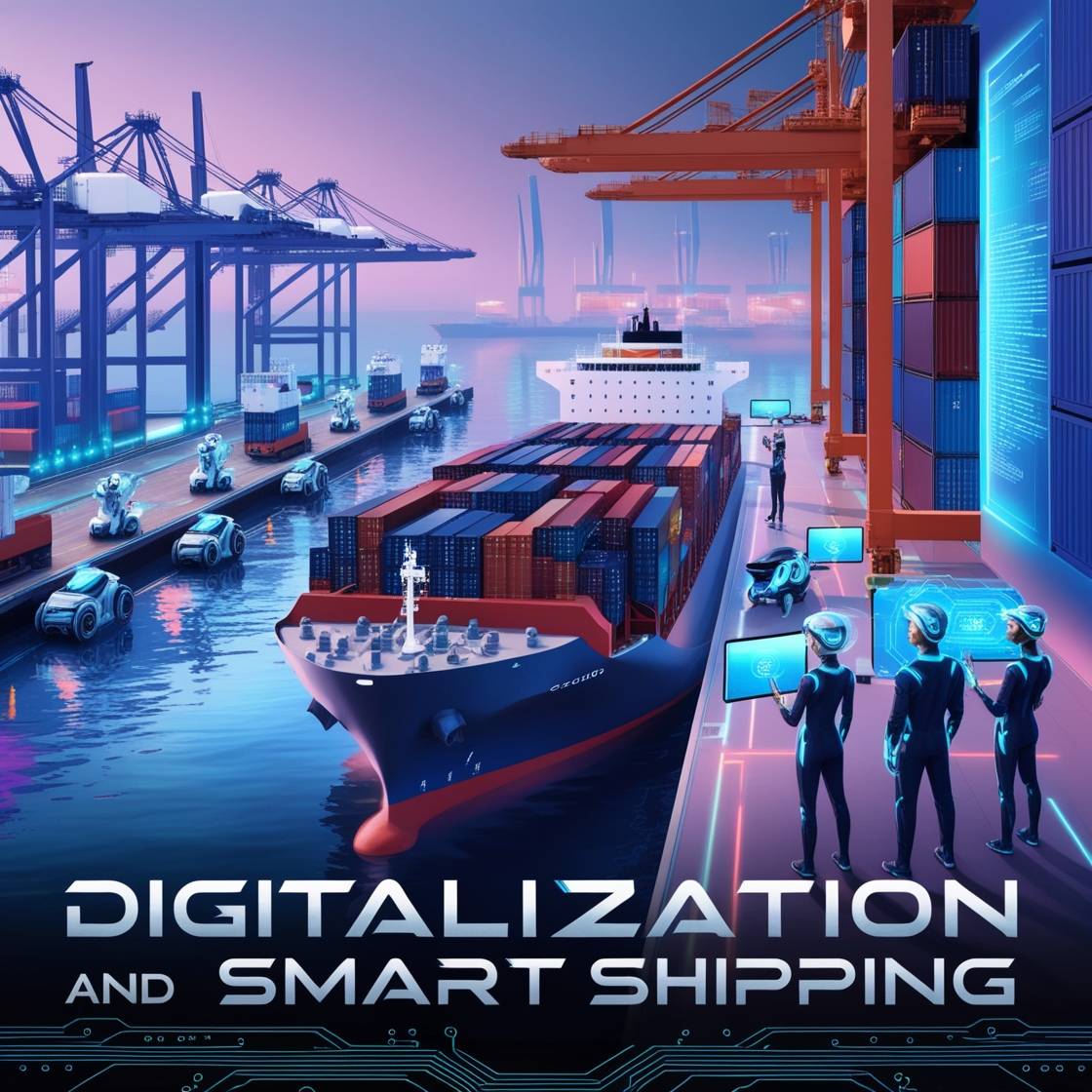
How Automation, AI, and the Decline of Traditional Watchkeeping Affect Seafarer Welfare
The modern ship is incredibly advanced. Engine rooms operate quietly, not because the machines have stopped, but because fewer humans are present. Bridges are filled with integrated systems, predictive analytics, and decision-support software. Artificial intelligence is no longer just a concept for the future; it is already used in areas like voyage optimization, maintenance planning, and operational control. As ships get smarter, a vital question arises: what is happening to the people who used to understand these systems instinctively?
For many years, seafaring was both an art and a science. As a former marine engineer from the late 1970s, I can attest to how critical traditional watchkeeping was in training. Before the widespread use of Unmanned Machinery Space operations (UMS), watchkeeping was a skill learned through hands-on experience. Junior engineers learned not just how systems operated, but also how they reacted. They became adept at noticing subtle changes, such as the vibration of a running pump, the faint smell of overheating insulation, or a change in exhaust sound that could indicate combustion issues.
These important skills were not just learned from books; they were passed down from experienced engineers to cadets and junior officers during shifts. This created a strong, almost instinctive understanding of machinery. Engineers had a connection to their ships that went beyond reading instruments—they felt the machines.
However, the introduction of UMS operations changed everything. Engine rooms no longer needed constant human oversight, thanks to monitoring systems and alarms stepping in to take on the watchkeeper's role. Initially, this was seen as a major improvement, enhancing efficiency, lessening workload, and allowing crews to focus on planned maintenance rather than routine checks. Yet, in trading physical watchkeeping for remote monitoring, something fundamental was lost.
Engineers now largely rely on alarms to interact with machinery. Instead of proactively spotting early signs of issues, they often react to alerts generated by the system. The human senses, which used to act as the first line of defense, have been replaced by sensors and predefined limits. Although these systems are generally effective, they are not foolproof. They function within set parameters, meaning issues that develop slowly or are unusual might go unnoticed until it's too late.
This change has directly impacted both safety and welfare. The drop in continuous interaction with machinery reduces awareness, making it harder for engineers to gain the deep familiarity they once had. When problems arise, the response can become more reactive and, in some cases, less assured.
Moreover, the systems that aim to boost safety have created a new problem: alarm fatigue. Modern ships are equipped with complex monitoring systems that generate alerts for numerous conditions. While this should ideally flag potential problems early, it often leads to a constant barrage of alarms—many of which are low-priority or repetitive.
During a single watch, engineers might face dozens of alarms, especially on highly automated ships. Over time, this can lead to desensitization, as the brain learns to filter out what is seen as background noise. This is risky; critical alarms could be missed, ignored, or not acted upon urgently.
This situation fosters a form of cognitive fatigue distinct from the physical fatigue linked to traditional watchkeeping. Previously, engineers were physically active, moving through engine rooms, interacting with equipment, and maintaining a sensory connection to their environment. Now much of that activity has been replaced by monitoring screens and responding to alerts.
This "passive vigilance" can be mentally draining. Staying alert in a largely automated setting can be more exhausting than physical labor. It creates a form of stress that quietly accumulates, often without being recognized, but has significant effects on performance and wellbeing.
The rise of artificial intelligence adds another complexity. AI is increasingly used for predictive maintenance, sifting through large amounts of data to spot patterns and predict failures. This is a major step forward for efficiency but alters the engineer's role.
Now, decision-making is not just based on experience and observation but also influenced by algorithm-driven recommendations. Engineers need to interpret these outputs, evaluate their trustworthiness, and decide how to act. This brings a new type of responsibility, requiring confidence in systems that may not always be fully understood.
On top of all this, there's a growing sense of insecurity about the future. The development of autonomous ships is no longer a theoretical discussion; trials are already in progress. While fully autonomous deep-sea shipping might still be years away, the trend is clear: fewer crew members, more shore-based control, and increased reliance on AI.
This raises critical questions for seafarers: What will be the long-term role of engineers or deck officers in a world where ships can operate autonomously? Even if complete autonomy for certain vessel types is still far off, just the perception that jobs may vanish creates anxiety.
This psychological pressure is made worse by the life at sea. Long periods away from home, limited social connections, dry ships, and the inherent risks of the profession already put considerable strain on seafarers. Adding uncertainty about job stability only heightens that stress.
A generational divide is also emerging. Younger seafarers, often more comfortable with digital technologies, might adapt more easily to automated systems. However, they may lack the hands-on experience that traditional watchkeeping provided. On the other hand, older seafarers might have that experience but struggle to keep up with rapid technological changes.
This creates a potential gap in both skill and confidence. The industry risks developing a generation of operators who are adept at managing systems but lack confidence in handling the machinery itself. While this might not pose a problem in routine operations, during unusual or emergency situations where systems fail or act unpredictably, the absence of foundational experience could have dire consequences.
Thus, safety, often highlighted as a key advantage of automation, is not as clear-cut as it seems. While technology can minimize certain types of human error, it also introduces new risks, especially during the transition phase where humans and machines must operate together. The key is not just to implement advanced systems, but to ensure that the people who use them stay competent, confident, and engaged.
Training will play a crucial role in achieving this balance. It's no longer enough to focus solely on how to operate systems. Seafarers must also grasp how these systems work, their limitations, and how to respond when they fail. Additionally, there's a strong argument for maintaining elements of traditional watchkeeping, even in highly automated settings.
Encouraging engineers to spend time in machinery spaces, engage directly with equipment, and develop their sensory awareness could help bridge the gap between traditional and modern practices. It’s not about rejecting technology, but rather making sure it enhances rather than replaces essential skills.
The maritime industry has always evolved. From the days of sail to steam, and from manual engines to electronic controls, each shift has brought its own challenges and opportunities. The current move towards automation and AI is likely the most significant yet, as it directly affects not just how ships operate, but also how seafarers view their roles within that operation.
Seafarers are crucial to global trade, responsible for transporting the vast majority of the world’s goods. Their welfare is not just a human concern; it's a vital component of operational safety and efficiency. As ships become more advanced, the industry must ensure that the human element remains strong.
Ultimately, a ship is more than just a series of systems and algorithms. It is a workspace shaped by the people who operate it. If these individuals become disconnected, fatigued, or uncertain about their careers, no technology can fully replace what is lost.