
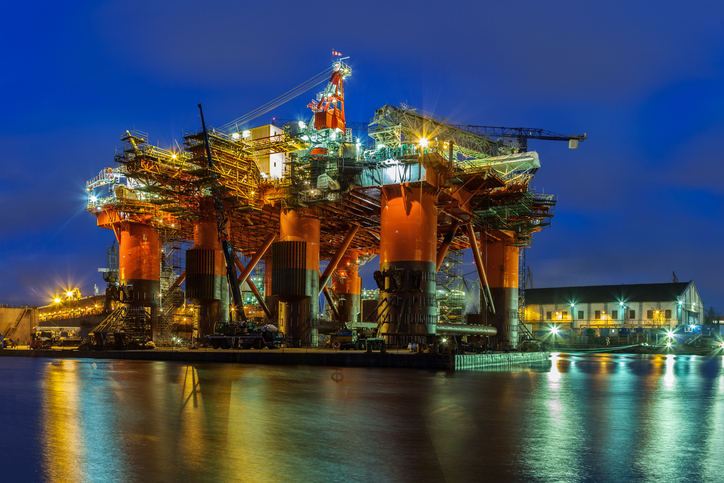
In 1896, when the first offshore well was drilled near Summerland, California, few could have predicted how much the oil and gas industry would evolve. That initial wooden rig, which sat just above the water, used an old cable-tool method and only accessed shallow oil reserves close to shore.
Over a century later, offshore drilling has reached new heights that early pioneers would have thought impossible. Today, wells can go as deep as 40,000 feet below the seabed in waters over 12,000 feet deep. Drilling platforms have evolved from simple wooden structures into massive engineering marvels, some weighing more than skyscrapers and capable of producing over 200,000 barrels of oil each day. Floating facilities, such as the Prelude FLNG, stretch nearly 1,600 feet long and can accommodate hundreds of workers while processing gas right at sea.
These advancements are not just milestones; they showcase the incredible engineering skills required to work in extreme conditions. Let’s take a closer look at the deepest offshore wells and the largest rigs and platforms around the world, offering insight into the vast scope and ambition of the offshore oil and gas sector.
The World’s Deepest Wells
Drilling for oil and gas has always meant going deeper. The easiest oil reserves were found years ago, pushing companies to drill further away from shore and deeper into the ocean floor to access new supplies.
Every year, rigs continue to reach greater depths in their quest for energy beneath the ocean.
Al Shaheen BD-04A (Qatar)
Total Depth: ~40,320 ft (12,290 m)
Drilled in 2008 in Qatar's Al Shaheen field, the BD-04A well was a record-setting extended-reach well at that time. With a horizontal section measuring 35,770 feet, it tapped into a reservoir that was only 20 feet thick, aiming to access thin oil reserves buried beneath thick rock layers.
Odoptu OP-11 (Sakhalin, Russia)
Total Depth: 40,502 ft (12,345 m)
This 2011 project broke the previous record set by the Al Shaheen well, demonstrating how far offshore wells can reach from onshore sites, even under tough subarctic conditions. It also set a new record for horizontal reach, at 37,648 feet.
Z-44 Chayvo (Sakhalin, Russia)
Total Depth: ~40,602 ft (12,376 m)
The Z-44 Chayvo well, drilled in 2012, claimed the title of the world's deepest extended-reach well, surpassing the Odoptu well. Located off Sakhalin Island in the Sea of Okhotsk, it required precise drilling in harsh, icy conditions and enabled operators to access reserves further from the drilling site without additional platforms.
Tiber (Gulf of Mexico, USA)
Vertical Depth: ~35,050 ft (10,683 m)
The Deepwater Horizon rig drilled the Tiber exploration well in 2009 before its infamous blowout disaster in 2010. Located in about 4,132 feet of water, this well illustrated the potential of ultra-deep reservoirs in the Gulf, which are estimated to contain between 4 and 6 billion barrels of oil, although development has been limited due to high pressures and complex geology.
Ondjaba 1 (Angola)
Water Depth: ~11,903 ft (3,628 m)
In 2021, the Ondjaba 1 well set a world record for water depth, drilled in Block 48 offshore Angola. This well, nearly 12,000 feet deep, highlighted the capabilities of ultra-deepwater drillships that use dynamic positioning instead of being fixed to the seabed, allowing them to operate far beyond the continental shelf.
The World’s Biggest Platforms & Rigs
Offshore platforms have progressed significantly, evolving from wooden structures to massive engineering feats. Today’s largest rigs are not only production facilities; they resemble floating cities that house workers, process millions of barrels of oil, and withstand extreme ocean conditions. Some are incredibly heavy, standing taller than the Eiffel Tower, and designed to endure hurricanes, iceberg strikes, and Arctic ice sheets.
Prelude FLNG (Australia)
Length: 1,601 feet (488 m)
Weight: ~600,000 metric tons (fully loaded)
Launched in 2018, Prelude FLNG is the largest floating offshore facility ever built. It extracts, processes, and liquefies gas at sea, making production from remote fields more feasible. The facility can accommodate around 200 workers, functioning as a mini city on the water.
Hibernia Platform (Canada)
Height: 735 ft (224 m)
Weight: ~1.2 million metric tons (with ballast)
Situated off the coast of Newfoundland and Labrador, Hibernia was constructed to withstand iceberg strikes in the North Atlantic. This concrete structure can hold 1.3 million barrels of crude oil and has been operational since 1997.
Troll A Platform (Norway, North Sea)
Height: 1,549 ft (472 m)
Weight: ~1.2 million metric tons (with ballast)
The Troll A platform, installed in 1996, is the tallest man-made structure ever moved by humans. Its legs, made from steel-reinforced concrete, extend over 300 meters (984 feet) below the sea surface. It takes nine minutes to reach the platform from the seabed by elevator. Troll A produces large quantities of natural gas for Europe and remains a landmark in engineering.
Gullfaks C (Norway, North Sea)
Height: 1,247 ft (380 m)
Weight: ~420,000 metric tons
Brought online in 1989, Gullfaks C is the oldest platform on this list and one of the heaviest ever built, holding the Guinness World Record for the heaviest man-made object moved. Its gravity-based structure supports drilling in the challenging North Sea and can store 2 million barrels of crude oil, accommodating about 300 crew members.
Petronius Platform (Gulf of Mexico, U.S.)
Height: 2,100 ft (640 m)
Weight: ~43,000 metric tons
Installed in 2000, the Petronius Platform ranks among the tallest structures globally. Its compliant-tower design allows it to bend with strong ocean currents, making it well-suited for deepwater operations in hurricane-prone regions. It is located about 130 miles southeast of New Orleans, Louisiana, in waters that are 1,754 feet deep.
Thunder Horse PDQ (Gulf of Mexico, U.S.)
Height: ~433 ft (132 m)
Weight: ~130,000 metric tons
Launched in 2008, Thunder Horse PDQ is the largest semisubmersible production and drilling platform in the world. It is built to withstand Category 5 hurricanes and operates in approximately 6,040 feet of water about 150 miles off the coast of New Orleans, accommodating around 200 crew members.
Perdido Spar (Gulf of Mexico, U.S.)
Height: ~555 ft (169 m)
Weight: ~20,956 metric tons
The Perdido Spar holds the title for the world’s deepest spar platform. This floating drilling and production facility is designed for deepwater and ultra-deepwater environments, anchored to the seabed. Installed in 2010, it operates in 8,000 feet of water about 200 miles south of Galveston, Texas, and is built for stability in harsh conditions.
Olympus TLP (Gulf of Mexico, U.S.)
Height: ~400 ft (123 m)
Weight: ~120,000 metric tons
Commissioned in 2014, Olympus was designed to access deeper reserves in the Mars B development and is expected to prolong the field's life until at least 2050. The tension-leg platform functions in 3,100 feet of water about 130 miles south of New Orleans, Louisiana, and involved the work of over 25,000 personnel during construction.
Berkut Platform (Sea of Okhotsk, Russia)
Height: ~472 ft (144 m)
Weight: ~200,000 metric tons
Production Capacity: ~45,000 barrels of oil per day
Berkut is built to withstand extreme subarctic conditions and is anchored to the seabed. Its ice-resistant design can handle heavy waves (up to 60 feet) and extremely low temperatures (as low as -47 degrees Fahrenheit), making it one of the largest operational Arctic oil platforms.
Pushing the Limits of Offshore Engineering
The offshore oil and gas sector continues to stretch the limits of engineering, from the record depths of the Z-44 Chayvo well to the impressive structures like Troll A and Petronius. These achievements reflect incredible innovation, but they also bring risks. Ultra-deepwater wells face extreme pressures and temperatures, while massive platforms must withstand decades of harsh marine environments. Ensuring safety as operations grow more complex is a critical challenge, as the stakes increase with deeper wells and larger rigs, making the consequences of any failures potentially severe.