
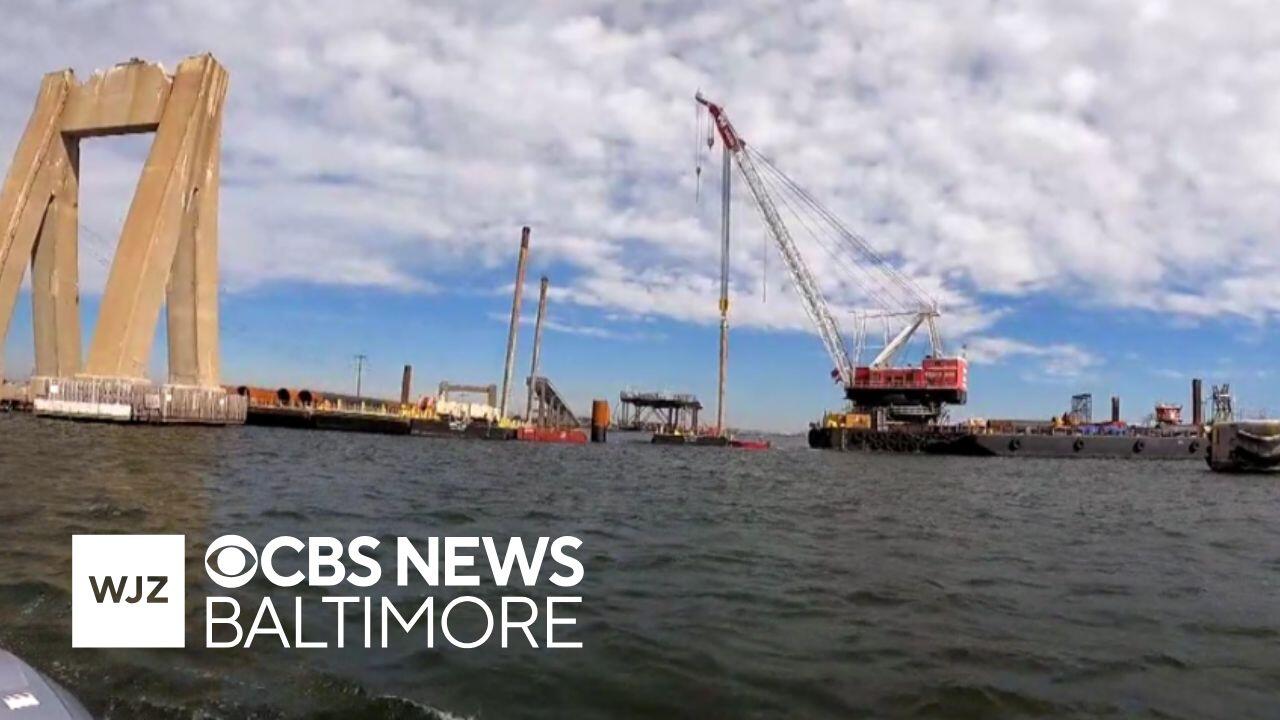
The upcoming board meeting on November 18 will focus on electrical failures linked to six deaths and a major bridge collapse.
The National Transportation Safety Board (NTSB) is set to hold a public meeting on November 18 to investigate the causes of the containership Dali's collision with the Francis Scott Key Bridge. This tragic incident resulted in six fatalities and revealed serious weaknesses in the aging bridge infrastructure in the United States.
The accident took place on March 26, 2024, when the Singapore-flagged ship lost all electrical power and propulsion while leaving Baltimore Harbor. The vessel struck the southern pier of the bridge at around 6.5 knots, causing a significant collapse.
Investigating Electrical Failures
NTSB investigators have found serious problems with the Dali's electrical systems. The ship faced two blackouts as it approached the bridge, with electrical breakers HR1 and LR1 tripping unexpectedly when the vessel was just three lengths away.
During their investigation, authorities identified a disruption in the control circuit for HR1's undervoltage release and removed a terminal block for further testing at the NTSB Materials Laboratory. Additionally, the ship had experienced two blackouts while in port the day before the incident, leading crews to adjust the electrical bus configuration.
Bridge Risk Found to be 30 Times Higher than Safe Levels
In March, the NTSB revealed that the Francis Scott Key Bridge had a risk level nearly 30 times above what is considered safe for critical bridges. This alarming information could have been identified if the Maryland Transportation Authority had conducted a recommended vulnerability assessment.
NTSB Chair Jennifer Homendy stressed the seriousness of this oversight: "If the Maryland Transportation Authority had run the calculations for the Francis Scott Key Bridge, they would have realized that its risk level was almost 30 times greater than what AASHTO defines as acceptable for critical bridges."
She expressed her frustration: "Not only did the Maryland Transportation Authority neglect to conduct the vulnerability assessment for the Key Bridge, but they also could not provide NTSB with the necessary data for the assessment."
68 Bridges Nationwide Require Immediate Assessment
The investigation has highlighted 68 bridges in 19 states that need urgent vulnerability assessments. This list includes well-known structures such as the Golden Gate Bridge, Chesapeake Bay Bridge, Verrazano Narrows Bridge, and Greater New Orleans Bridge. All these bridges were built before current safety standards were set and don’t have up-to-date assessments for risks from vessel collisions.
The Timeline of the Incident
The accident unfolded quickly in the early morning hours. At around 01:25, the first blackout occurred when the Dali was 0.6 miles from the bridge, which shut down the main engine and steering pumps while the vessel was traveling at 9.0 knots.
Despite the crew's attempts to regain power, a second blackout hit when the ship was only 0.2 miles from the bridge. Pilots requested tugboat assistance and called for an anchor to be dropped, while authorities rushed to close the bridge. However, only maintenance workers and one inspector were present when the Dali collided with pier 17 at 01:29.
Out of the eight individuals on the bridge, six construction crew members sadly lost their lives, one person sustained serious injuries, and one inspector was unharmed.
During the November 18 meeting, the NTSB board will vote on findings, the probable cause of the accident, and safety recommendations, as well as any adjustments to the draft final report. A summary will be released after the meeting, with the complete final report expected to follow a few weeks later.
The investigation has already led to four urgent safety recommendations aimed at bridge owners, the Federal Highway Administration, the U.S. Coast Guard, and the U.S. Army Corps of Engineers to better protect bridges from vessel strikes.