
The U.S. government is facing criticism again for its ongoing shipbuilding practice of starting construction before the designs are fully developed. This approach has led to increased costs, delays, and technical issues in several significant maritime programs, as noted by the Government Accountability Office (GAO) in its reports.
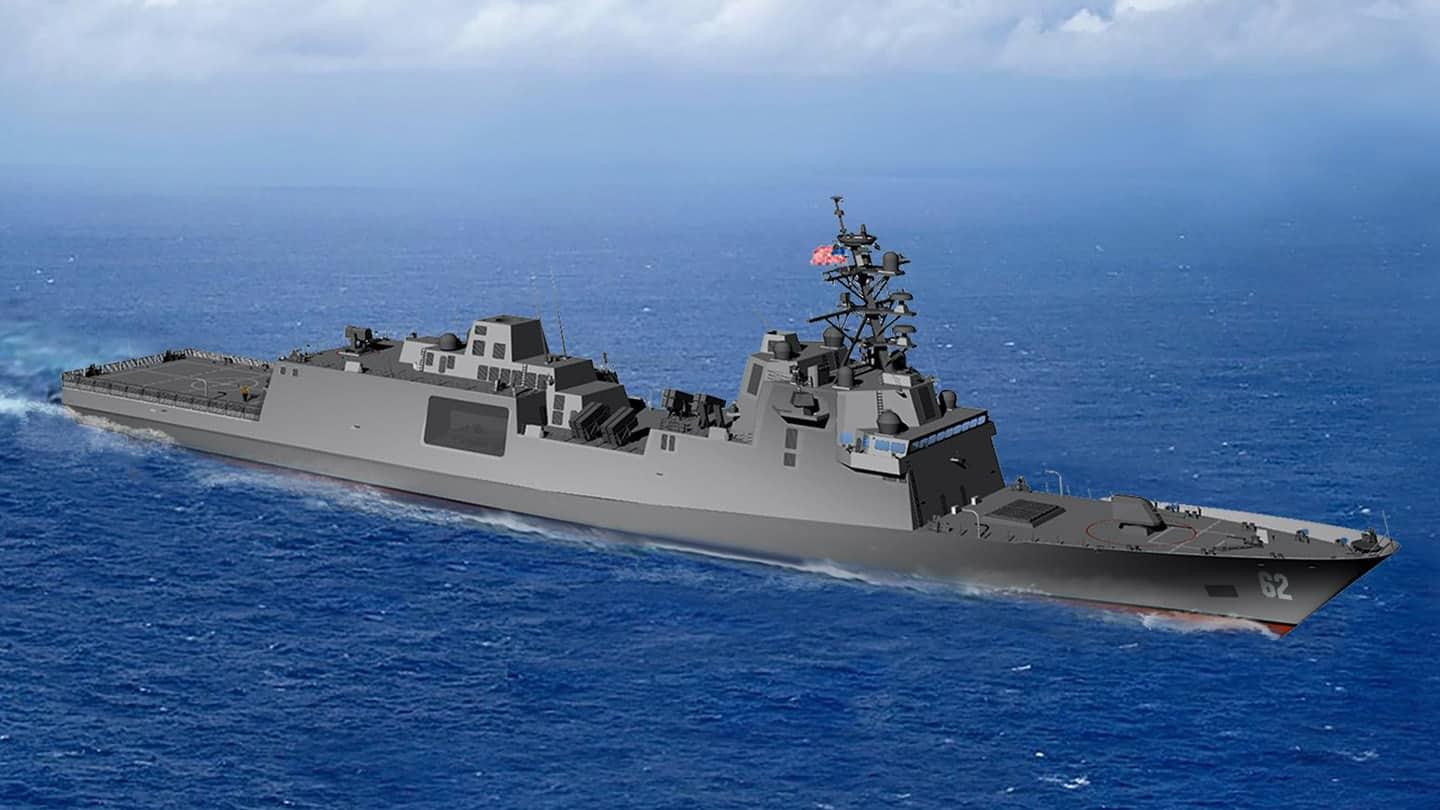
Recently, the Navy revealed that it would halt the construction of four ships from its struggling Constellation-class frigate program. Only the first two ships will be completed after a 36-month delay, pushing the delivery date to April 2029.
The GAO has been warning defense and homeland security officials about "concurrency," which refers to the risky habit of overlapping design and construction phases, for over ten years. However, this issue continues to occur.
In several reports, the GAO highlighted problems with the Coast Guard’s Polar Security Cutter and Offshore Patrol Cutters, as well as the Navy’s Constellation-class frigates. The Zumwalt-class destroyers are another example where construction started before the design was finalized, resulting in significant cost overruns and a reduction of the program from an original 32 ships to just three.
The Polar Security Cutter, which the Coast Guard urgently needs to replace its outdated icebreaking fleet, is a key example of this issue. During multiple Congressional hearings, experts urged the Coast Guard to reach 100% design maturity before starting construction.
Vice Admiral Paul Thomas, the Deputy Commandant for Mission Support at the Coast Guard, told Congress last year, “We will not achieve the level of design maturity that the GAO would prefer before we start construction.”
GAO auditors noted that construction of the vessel began before its design was stable, resulting in extensive redesign work. The design of the Polar Security Cutter, based on the upcoming German icebreaker Polarstern 2, has been modified so much that the final PSC vessel will be 40% larger, shifting from 14,000 tons to 18,000 tons.
These design changes have added delays to a project that is already years behind schedule, with initial construction costs for the first vessel nearly doubling from $1.3 billion to $2.4 billion. The first PSC is now expected to be delivered no earlier than 2030, which is about six years late and eleven years after the contract was signed.
The Offshore Patrol Cutter, one of the Coast Guard's largest acquisition initiatives costing $17 billion, has also experienced setbacks due to starting construction too soon.
The Navy’s Constellation-class frigates exhibit a similar trend. Although they are based on the Italian Navy’s European multipurpose frigate (FREMM), the American version has undergone significant modifications. Changes included increasing the size and displacement, altering the bow design to eliminate the sonar dome, and modifying the topside to integrate U.S. combat systems.
The GAO found that design work was lagging behind the start of production, resulting in the shipbuilder needing to revise completed sections and slowing down the production of this new class of ships, which is meant to be a key component of the Navy’s fleet renewal.
According to the GAO, starting construction without finalized designs led to schedule delays and technical issues that could have been avoided with a more organized approach. The GAO has consistently emphasized that achieving “design stability before construction” is one of the best indicators of a program's success. Despite this, decision-makers at the Navy and Coast Guard acknowledge the principle but have difficulty applying it in practice.
Altogether, these three problematic programs highlight a broader issue in U.S. shipbuilding: political and public pressure to begin visible work often overshadows the less glamorous task of finalizing designs. The Coast Guard’s Polar Security Cutter illustrates this well; facing pressure to show progress and meet year-end deadlines, the Coast Guard announced the start of construction several times over a six-month period. This situation demonstrates how the rush to show progress in major shipbuilding initiatives can lead to absurd outcomes.