
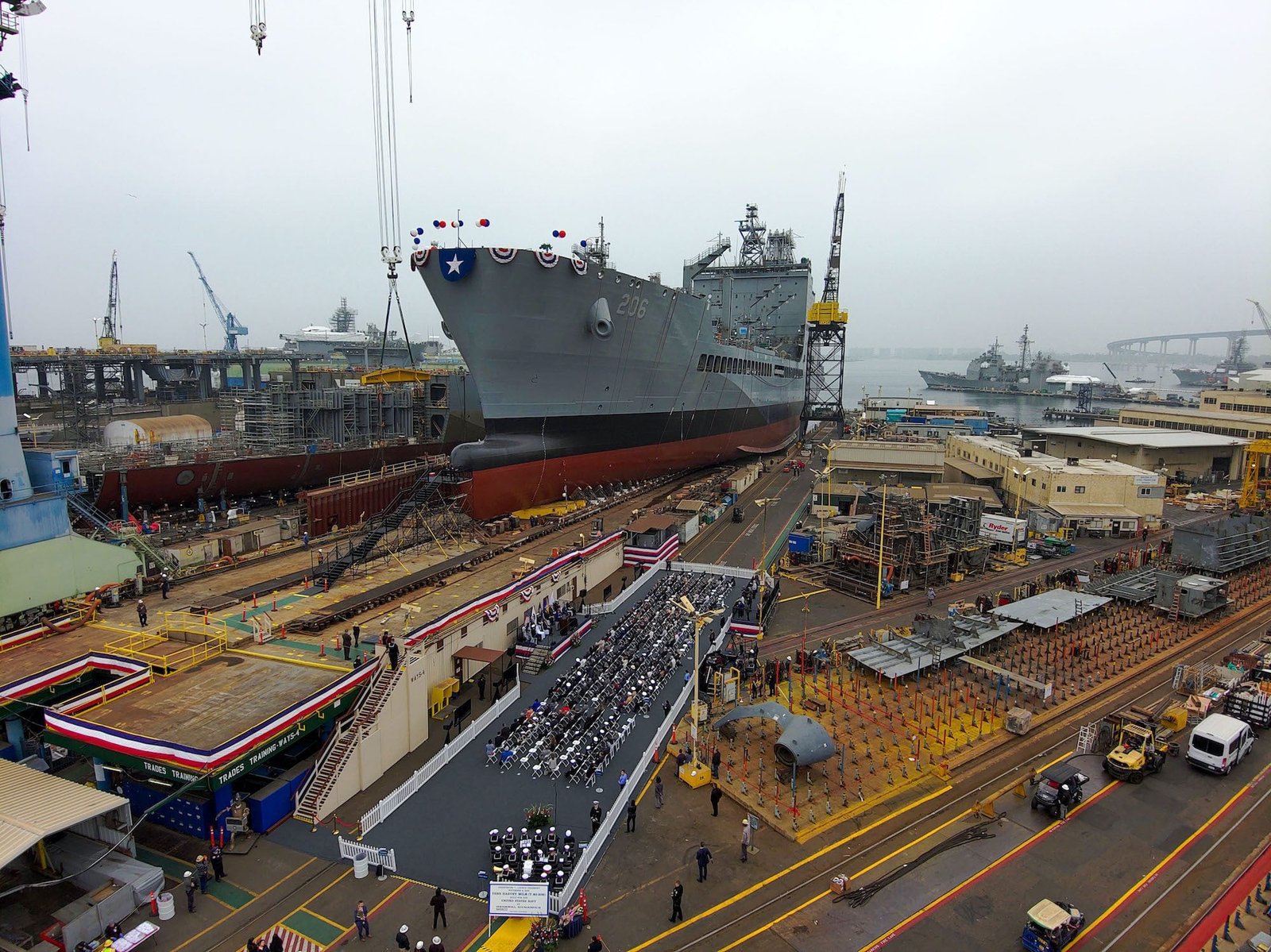
The U.S. Department of Labor has released new guidance that makes it easier for shipbuilding and other key industries regarding insurance requirements. This change aims to reduce costs for America’s maritime industry.
The guidance provides a clearer structure for how insurers determine security deposit requirements under the Longshore and Harbor Workers’ Compensation Act (LHWCA). By clarifying the risk assessment process, the department aims to lessen financial burdens while still protecting injured workers.
“As we work to restore America’s maritime and energy leadership, the Department of Labor is committed to prioritizing the safety and health of American workers,” said Labor Secretary Lori Chavez-DeRemer. “These guidelines will safeguard workers while creating a fairer environment for businesses that play a crucial role in our country.”
With this new approach, the department will take into account various factors when setting insurance security requirements. These include the financial stability of the insurer, their experience in handling LHWCA policies, and their history of swiftly paying claims. Although the LHWCA has allowed lower security requirements in certain situations for a long time, this is the first instance where the department has used a formal framework based on risk and performance.
The LHWCA and its extensions, managed by the Office of Workers’ Compensation Programs, require private employers to provide workers’ compensation coverage for employees in specific maritime roles. Insurers authorized to write those policies must provide security to the department to cover potential liabilities.
This initiative aligns with President Trump’s executive order on “Restoring America’s Maritime Dominance” and is expected to reduce insurance costs for U.S. shipyards, helping them compete better against foreign builders.
The guidance is set to be published in the Federal Register on February 9, 2026.
This change arrives as the Trump administration is working on a broader Maritime Action Plan to boost domestic shipbuilding, which is currently lagging behind. U.S. shipyards represent about 0.2% of global ship production, while China dominates with roughly 74%. The administration believes this situation needs a coordinated federal response, which includes new financing mechanisms and incentives to draw private investment.