
(Bloomberg) — Iran’s main oil-loading terminals have been empty for several weeks, indicating that a US naval blockade is severely impacting Tehran’s oil exports.
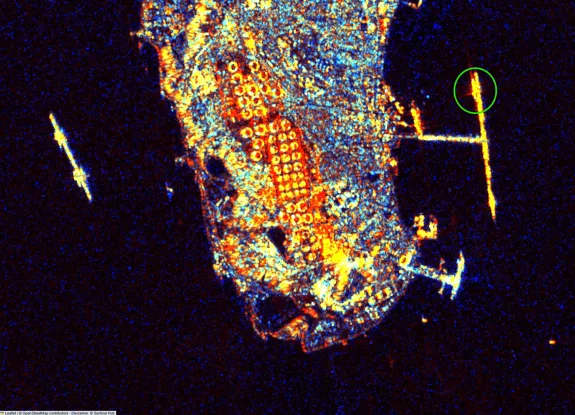
No tankers have arrived at Kharg Island’s crude-export terminals since late August, according to ship-tracking data and satellite images from the European Union. This is the longest period of inactivity at the island since the US-Iran conflict began in February.
The absence of tankers at Kharg, located deep in the Persian Gulf, highlights the increasing pressure on Iran following the US's renewal of its military blockade three months ago. Oil exports have plummeted from nearly 1 million barrels per day in July to zero since late August, based on data from Bloomberg, Kpler, and Vortexa.
In July, oil loadings were primarily concentrated in the first half of the month due to a temporary ceasefire deal between Washington and Tehran, which lifted the US blockade briefly. Since the shipping ban was reinstated in mid-July, no tankers carrying Iranian crude have left the country or nearby waters, as reported by the nonprofit group United Against Nuclear Iran.
Iran exported about 650 million barrels of crude in the year leading up to April, with much of it going to China. Now, as Iranian oil disappears from global markets, Chinese refiners are looking to other sources for crude and competing with other buyers for barrels and vessels, driving oil prices up and leading to a significant increase in freight costs.
As Iran faces difficulties in exporting its oil, Tehran has escalated attacks on ships passing through the Strait of Hormuz, which links the Persian Gulf to the wider ocean. In the first two weeks of October, 25 ships were targeted near this chokepoint, compared to 18 incidents in September and 15 in August, according to alerts from UK Maritime Trade Operations, part of the country’s navy.
Kharg Island is responsible for nearly all of Iran’s crude exports, with Jask Port, located at the eastern end of Hormuz, handling only a small fraction of the trade. Satellite images have shown no tankers at Jask either during this period.
The images used in this report were captured by the EU’s Sentinel 1 and 2 satellites, which pass over the island every few days, with the longest interval between images being three days. Typically, loading a very large crude carrier at Kharg Island takes about 24 to 48 hours.
On October 10, a small ship was spotted at the terminal, breaking the 40-day period of inactivity. However, it was identified as the chemicals/products tanker Clavel, which has been operating between Iranian ports.
Additionally, at least two tankers were seen docked at jetties near the southeast tip of Kharg Island between September 12 and September 15, but these are primarily used for liquefied petroleum gas and sulfur shipments.