
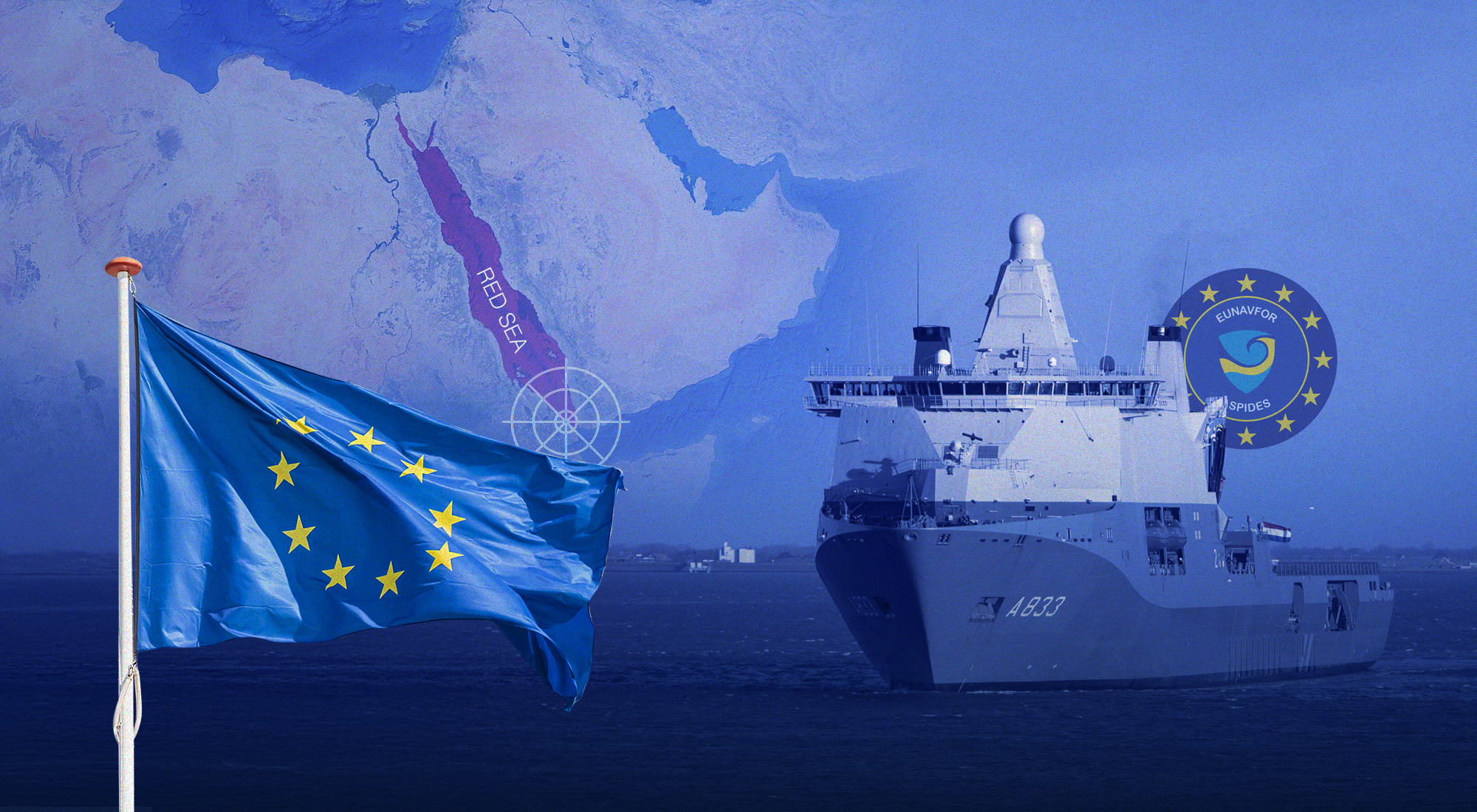
The Houthi militant group in Yemen has announced that it will pause its maritime operations against Israel and formally end its naval blockade of Israeli ports. This marks a notable change in the security of shipping in the Red Sea.
This announcement was made through a letter sent to Hamas's military wing, Kata'ib al Qassam, by the new Houthi Chief of Staff, Yousef Hassan Al Madani. He took over after his predecessor, Mohammed Al Ghamari, was killed in Israeli airstrikes. The message indicates that the attacks on ships previously aimed at Israeli ports will stop. The Associated Press was the first to report on this letter.
Despite this pause, maritime security experts advise caution. Martin Kelly, Head of Advisory at EOS Risk Group, noted that while the risk has decreased, it has not been eliminated.
“As of November 11, the chance of Houthi attacks against shipping in the Red Sea, Gulf of Aden, and surrounding areas is much lower,” Kelly mentioned. “However, even with the declared pause, the Houthis still have the capability to launch missile, drone, and unmanned surface vehicle (USV) attacks on commercial shipping in these regions.”
In his letter, Al Madani also expressed the Houthis' ongoing support for Hamas and the Palestinian cause, outlining the conditions under which they could resume attacks.
“We are closely watching developments, and if the enemy resumes aggression against Gaza, we will start our military operations against the Zionist entity again, and we will restore the ban on Israeli navigation in the Red and Arabian Seas,” Al Madani warned.
Kelly explained that Houthi attacks on shipping are directly related to the situation in the Israel-Hamas conflict, meaning any significant violations of the current ceasefire could lead to renewed attacks. He also pointed out that the Houthis' infrastructure, weapons, and coastal launch sites remain fully operational.
Kelly advised maritime operators to approach this situation with caution, treating the risk as lowered but still present, particularly for vessels associated with Israel, its allies, or perceived Western interests.
The Houthis began their campaign against commercial shipping in the Red Sea following the outbreak of the Israel-Hamas conflict in October 2023. This effort significantly disrupted one of the world's most important maritime trade routes, leading many ships to reroute around Africa, resulting in higher costs and longer transit times that have increased shipping rates. Since the attacks started, the Houthis have targeted over 100 merchant ships in the Red Sea, sinking four, seizing one, and causing the deaths of at least eight seafarers.
While this suspension provides some temporary relief to the global shipping industry, the conditional nature of the announcement and the Houthis' ongoing capabilities mean that maritime operators in the region should remain vigilant and continue to monitor the changing security landscape.