
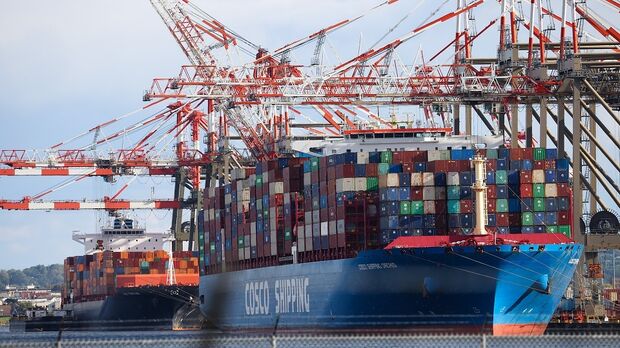
The U.S. Federal Maritime Commission (FMC) has wrapped up two enforcement actions, resulting in $1.35 million in fines from a major shipping company and a non-vessel-operating common carrier. This underscores the agency's ongoing commitment to ensuring compliance with tariff regulations, especially after gaining more regulatory power.
Hyundai Glovis, Co. Ltd., a shipping company based in Seoul that operates in international trade, paid $1.3 million to settle claims of violating the Shipping Act. The FMC alleged that Hyundai Glovis offered shipping services that did not match the rates and charges listed in its published tariff and failed to publish proper tariffs for some of its services. These issues reportedly lasted over a year and affected many shipments.
In a different case, NVOCC Olympiad Line LLC agreed to pay $50,000 due to claims that it provided services that were not in line with its published tariff rates and practices.
Neither company admitted to any violations as part of these settlement agreements. The funds from the settlements were sent to the U.S. General Fund, with the FMC not receiving any of the payments.
These enforcement actions highlight the FMC's increased assertiveness following the Ocean Shipping Reform Act of 2022, which significantly expanded its authority. The new law shifted the responsibility for proving detention and demurrage charges to carriers, demanded more billing transparency, and allowed the FMC to order refunds and start investigations without waiting for shipper complaints.
The enhanced tools provided by the new regulations are driving much of the FMC’s current activities, which include checking on tariff compliance, investigating unreasonable refusals to deal, and examining carrier billing practices and service-related problems.
These recent cases are part of a broader trend where the FMC is actively enforcing tariff regulations and holding carriers and intermediaries accountable under the Shipping Act, reflecting a more vigorous enforcement approach in the post-OSRA environment.