
Tor Håkon Svanes from NAVTOR discusses how a new wave of mobile apps can revolutionize fleet management, making it more connected, data-driven, and efficient. Explore this new reality with him.
For many of us, applications have become essential in our daily lives. We use them to handle finances, manage resources, book tickets, and quickly connect to the information we need. In just a few years, they have changed how we live and work, at least on land.
Now, according to Tor Håkon Svanes, Product Manager at NAVTOR, these applications have the potential to transform the maritime industry as well, leading to smarter and more efficient fleet management.
Proactive Platform
“Today, the real challenge isn’t just about getting data; it’s about accessing the right data at the right time, allowing the right people to make informed decisions, no matter where they are,” Svanes explains. “That’s the strength of these applications. The new solutions enable operators to shift from being reactive to proactive, ensuring that critical insights are always accessible.”
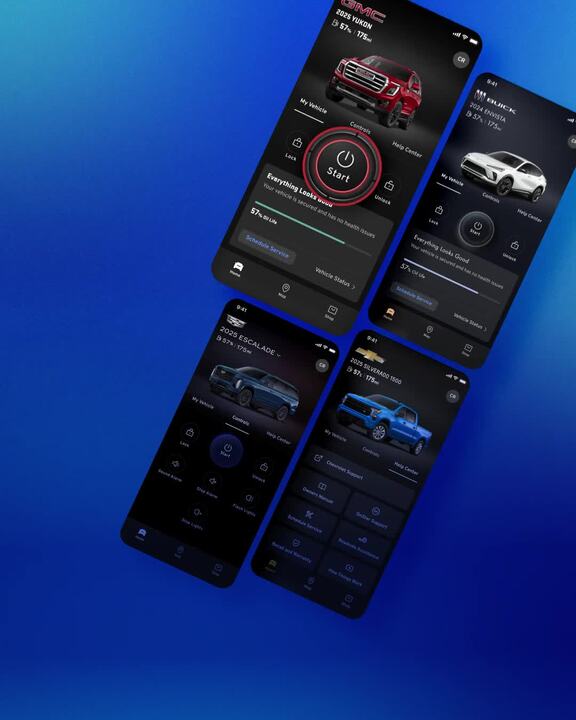
NAVTOR’s newly launched NavFleet mobile app showcases this evolution.
This app extends the established office-based fleet management platform, giving users direct access to vessel data, route progress, and operational updates right from their smartphones or tablets, effectively putting the entire fleet at their fingertips.
The true innovation lies in how it handles events and notifications. Users can specify which operational issues need attention—whether it's a vessel going off course, exceeding speed limits, or facing bad weather—and customize settings accordingly. Real-time alerts ensure that decision-makers are immediately informed, allowing them to investigate and take action before problems escalate.
Awareness in Action
For example, if a vessel is navigating in an area with speed restrictions, it can trigger an immediate notification (getting notified before a ship enters restricted areas is also possible). Traditionally, such information would only appear hours later in reports or during compliance checks. Thanks to mobile connectivity, decision-makers receive instant notifications, validate the situation, and coordinate responses on the spot.
“It’s about being aware,” Svanes says. “When you can see what’s happening in real-time, you can make better and quicker decisions, which improves safety, efficiency, and compliance.”
This principle also applies to navigation safety. If a vessel strays from its designated path or runs into unexpected weather, shore-based teams can monitor the situation in real-time. This can be crucial in preventing costly and dangerous incidents like groundings.
Instead of reacting to incidents post-factum, teams connected via the app can collaborate with the bridge to prevent problems entirely.
Smarter Data
Beyond real-time awareness, NAVTOR’s app acts as a communication hub—a secure space where teams can discuss events and share updates. This replaces fragmented reporting and endless email chains with one integrated thread of contextual information.
In an industry that spans multiple time zones and continents, such seamless communication is crucial. Today's operators, often overseeing large and widespread fleets, greatly benefit from having both a real-time view and a clear audit trail of decision-making.
“Shipping is becoming increasingly complex operationally, commercially, and environmentally,” Svanes notes.
“To stay competitive, companies need digital tools that make complexity simpler. The goal isn’t always to gather more data, but to make the existing data work for people.”
NAVTOR’s integrated ecosystem supports this objective by connecting navigational data, weather intelligence, compliance systems, and performance analytics into a unified digital environment. The mobile app serves as an access point to this ecosystem, delivering essential insights directly to users.
User-Centered Development
NAVTOR’s success in digital innovation comes from collaborating closely with customers. With solutions now on over 18,000 vessels worldwide, the company understands the real challenges ship operators face.
“The app was developed in collaboration with leading shipping companies,” Svanes explains. “They needed flexibility, clarity, and constant access to fleet data. So we created a tool that integrates naturally into their daily workflows—intuitive, reliable, and scalable.”
This customer-driven approach will continue as NAVTOR commits to ongoing updates that will enhance the app's capabilities, integrating more features from the NavFleet platform and evolving alongside users' operational needs.
Always-On Insight
For an industry characterized by movement, mobility is vital. Mobile apps are no longer just convenient options; they are becoming essential tools for modern fleet management. They connect ships to shore, data to decisions, and planned operations to real-world situations.
“Ultimately, it’s about empowering people to manage operations with confidence,” Svanes states. “Whether you’re in the office, on the move, or anywhere in the world, you should have the same visibility and ability to act. That’s what true smart shipping looks like.”
As the maritime industry moves towards a more digital and connected future, solutions like NavFleet demonstrate what is possible: fleets that are not just monitored but truly understood—managed not from an office desk but from anywhere.
For more information, please visit www.navtor.com.