
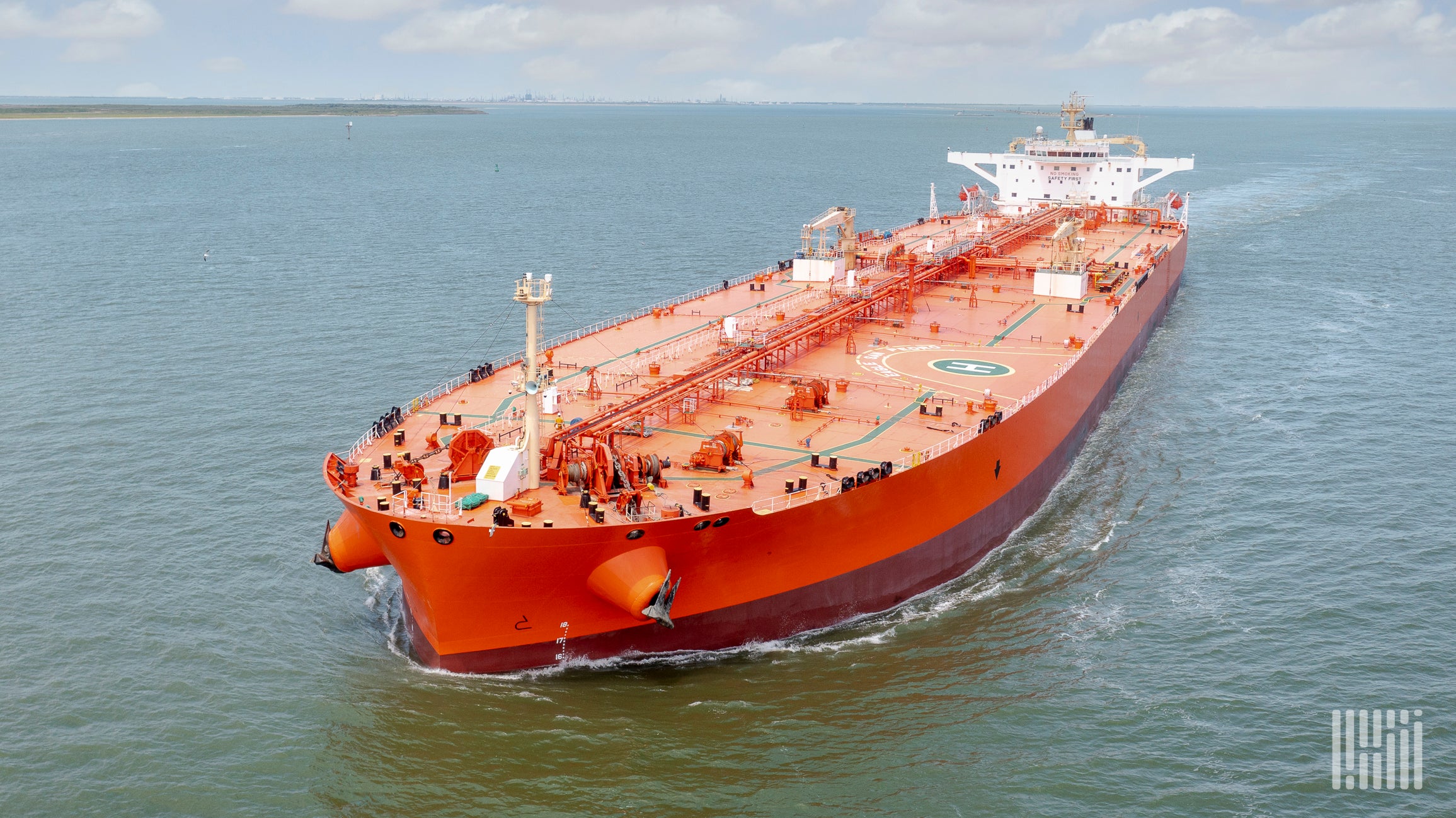
The global tanker shipping industry is facing a critical moment, with crude and product carriers experiencing different market situations over the next two years, according to a recent analysis by BIMCO's shipping market team.
The crude tanker market is expected to keep a balance between supply and demand until 2026, while the product tanker market is likely to struggle due to an influx of new vessels that could exceed the modest growth in demand.
“We project that the crude tanker market will see balanced growth in supply and demand by 2026, but a decline is expected in 2027 as more ships are delivered. Unfortunately, the product tanker market is likely to weaken in both years, with ship deliveries reaching levels not seen in 15 years, leading to more supply than demand,” said Niels Rasmussen, Chief Shipping Analyst at BIMCO.
The report anticipates a demand growth for crude tankers of 1-2% in 2026 and 0-1% in 2027, with a supply growth of 1.5% and 3.5% respectively. For product tankers, the outlook is tougher, with supply growth expected to be 5.5% in both years, while demand is only projected to grow by 0.5-1.5%.
Geopolitical factors continue to significantly influence tanker demand. The Houthis have declared an end to their attacks on vessels in the Red Sea following the current ceasefire in Gaza. However, this announcement hasn't led to a noticeable increase in tanker traffic through the Suez Canal. If shipping routes in the region return to normal, BIMCO estimates a potential decline in demand by 2-3% compared to current forecasts.
Meanwhile, stronger Western sanctions on Russian oil exports are starting to show effects. Recent data shows a 20% drop in crude tanker loadings from Russian ports, but operations for product tankers seem to remain largely unaffected. The amount of Russian oil in floating storage has tripled recently, which may indicate challenges in finding buyers.
The International Energy Agency (IEA) expects a global oil oversupply of about 4.1 million barrels per day in 2026, which BIMCO believes will help maintain inventory growth and support crude tanker demand next year. However, analysts think this trend might reverse in 2027.
Oil demand patterns are changing geographically, with the IEA predicting continued growth in refinery activity and consumption in emerging Asian and African economies, while developed markets may experience stagnant or declining demand.
A drop in Russian exports could lower demand for sanctioned vessels while possibly increasing the use of standard tankers as importers look for alternative supply sources.
“Even though we expect market conditions to weaken in 2027, crude tankers are projected to perform better than product tankers during 2026 and 2027. Mainstream crude tankers may get additional support if Russian exports decline due to sanctions. However, both sectors may face slower demand if routes through the Red Sea stabilize,” Rasmussen noted.